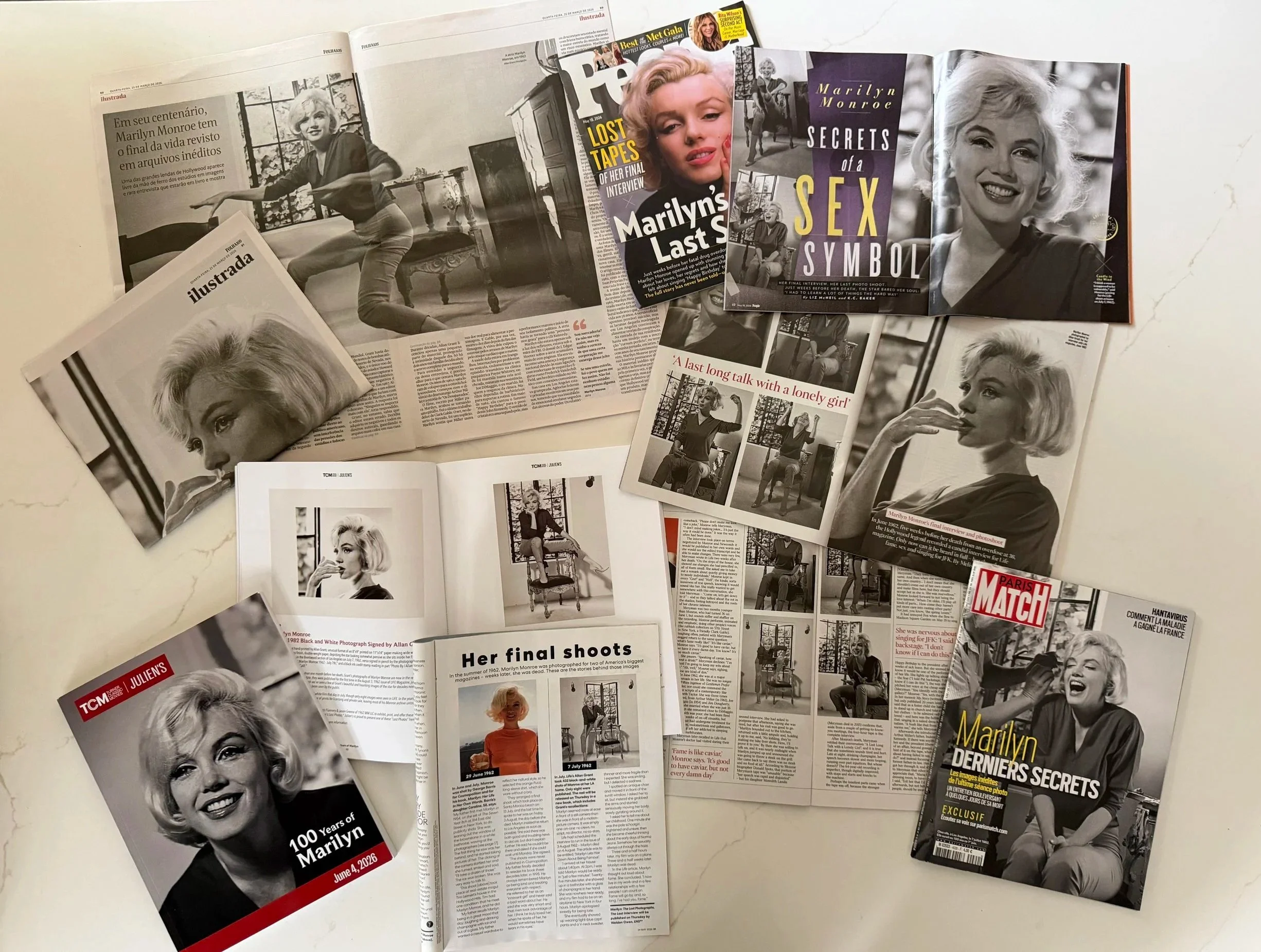
Marilyn Monroe
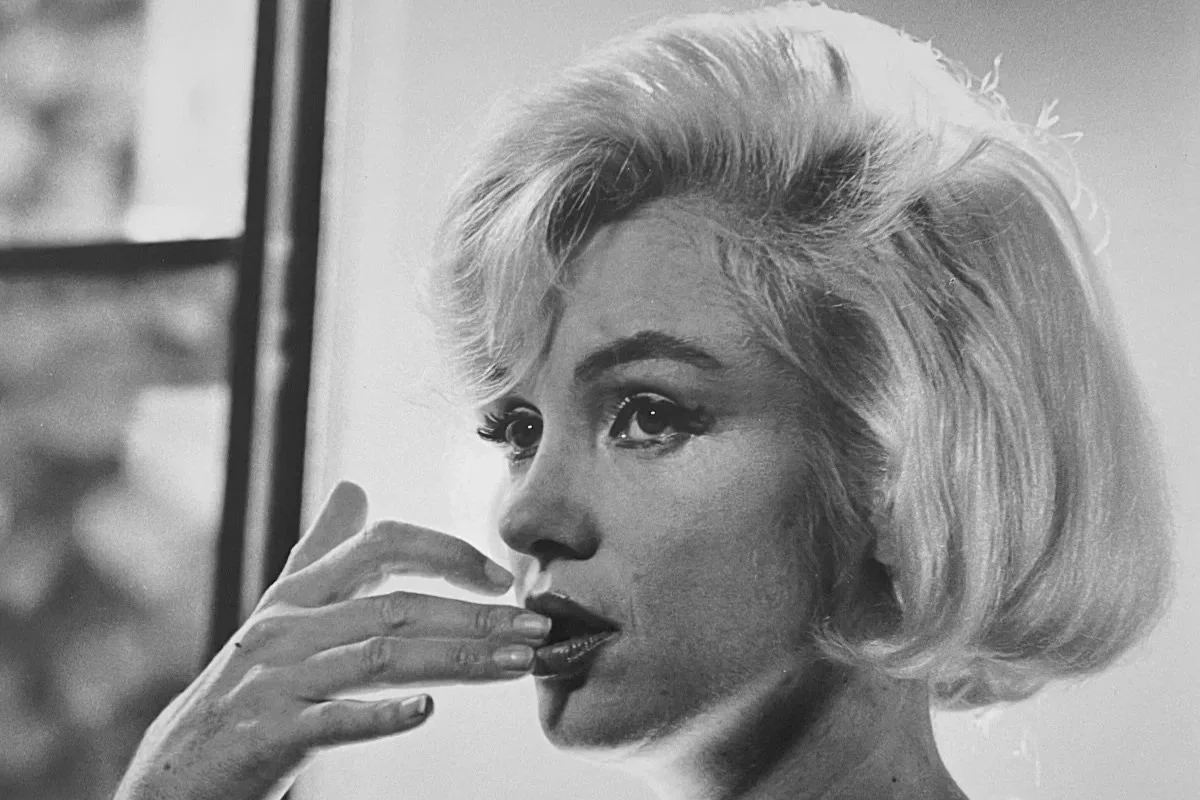
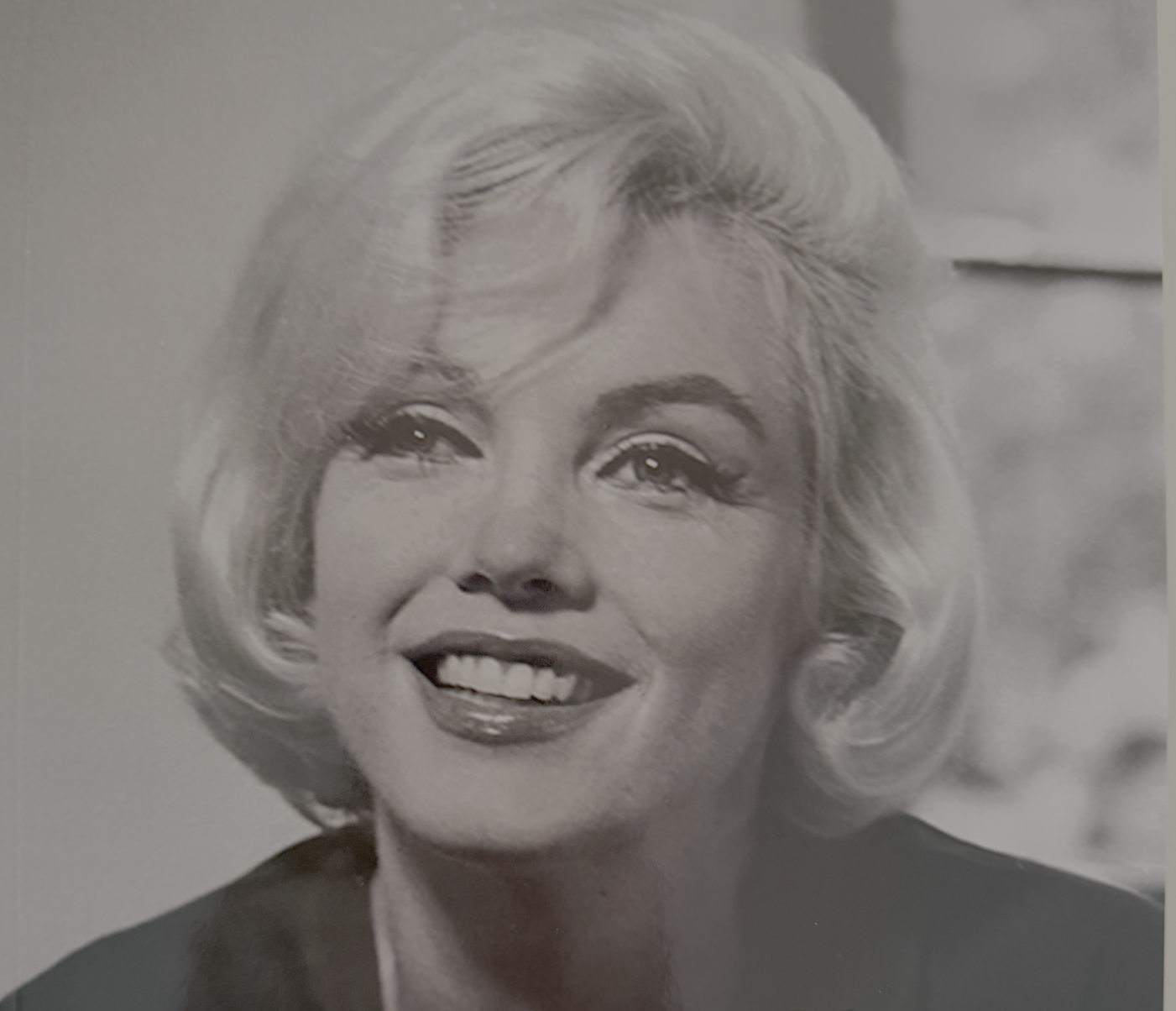
Marilyn Monroe photographed by Allan Grant for LIFE, July 1962. Photo by Allan Grant/Grant Family Archive.
Golden Globe Award-winning actress
One of the most enduring icons in Hollywood history
Marilyn Monroe rose from a difficult childhood in Los Angeles to become the defining film star of her era, and one of the most photographed and recognizable women in history. Her career, launched in the late 1940s, produced era-defining performances in films including Gentlemen Prefer Blondes, The Seven Year Itch, and Some Like It Hot — the latter earning her a Golden Globe Award. Beyond the screen, her marriages to Joe DiMaggio and playwright Arthur Miller, and her larger-than-life public image, made her a fixture of American culture at the height of the studio system. One month before her death in August 1962, LIFE photographer Allan Grant shot what would become her final formal photo session, accompanied by an interview with journalist Richard Meryman. The piece ran in LIFE on August 3, 1962 — just two days before she died — but only a fraction of Grant's photographs, and none of the full interview, was ever made public. Marilyn Monroe's death at age 36 cut short a career still in motion and cemented a legacy that has only grown in the decades since.
How 1966 Americas helped
THE ARCHIVE
All 432 photographs unified and published for the first time
LEGACY WORK
Outsold every other Marilyn book 4-to-1 in the U.S.
INFRASTRUCTURE
Grant's photographs now available as platinum and archival fine-art prints
ACTIVATION
Original works from 4 artists (Lady Aiko, Bambi, Adry del Rocio, James Francis Gill) integrated into the collection
PUBLISHING | ART & PHOTOGRAPHY | EXHIBITIONS
For more than six decades, the Grant and Meryman families independently held two halves of the same story: Allan Grant's 432-photograph archive and Richard Meryman's interview recording from Marilyn's final formal session. Only eight photographs and none of the full LIFE interview had ever been made public. With Marilyn's centenary approaching, and just 15 months to reach it, 1966 Americas built the strategy to bring the full archive to the world: earning the trust and cooperation of both families, restoring the poor-quality interview audio tapes, and preserving all surviving documents and transcripts into a single, complete archive. That foundation supported a coordinated publishing, museum, and fine-art rollout — a landmark book pairing all 432 photographs with the full interview, placement in major centenary museum exhibitions, a global gallery, and auction program built around an exclusive platinum-print collection, establishing Grant's photographs as collectible fine art in their own right.