
Marilyn Monroe and Giving Her the Last Word in Her Centenary Year
How 1966 Americas brought together Marilyn Monroe’s final formal photographs and the original complete audio from her last interview, transforming a private archive into a global publishing, exhibition, media, and fine-art platform.
At a glance
Global reach: Publishing, exhibitions, gallery programs, and media coverage across North America, Europe, and Latin America
Commercial platform: A sold-out book, fine-art platinum and archival print programs, exhibitions, auctions, and international media
A Story Waiting to Be Told
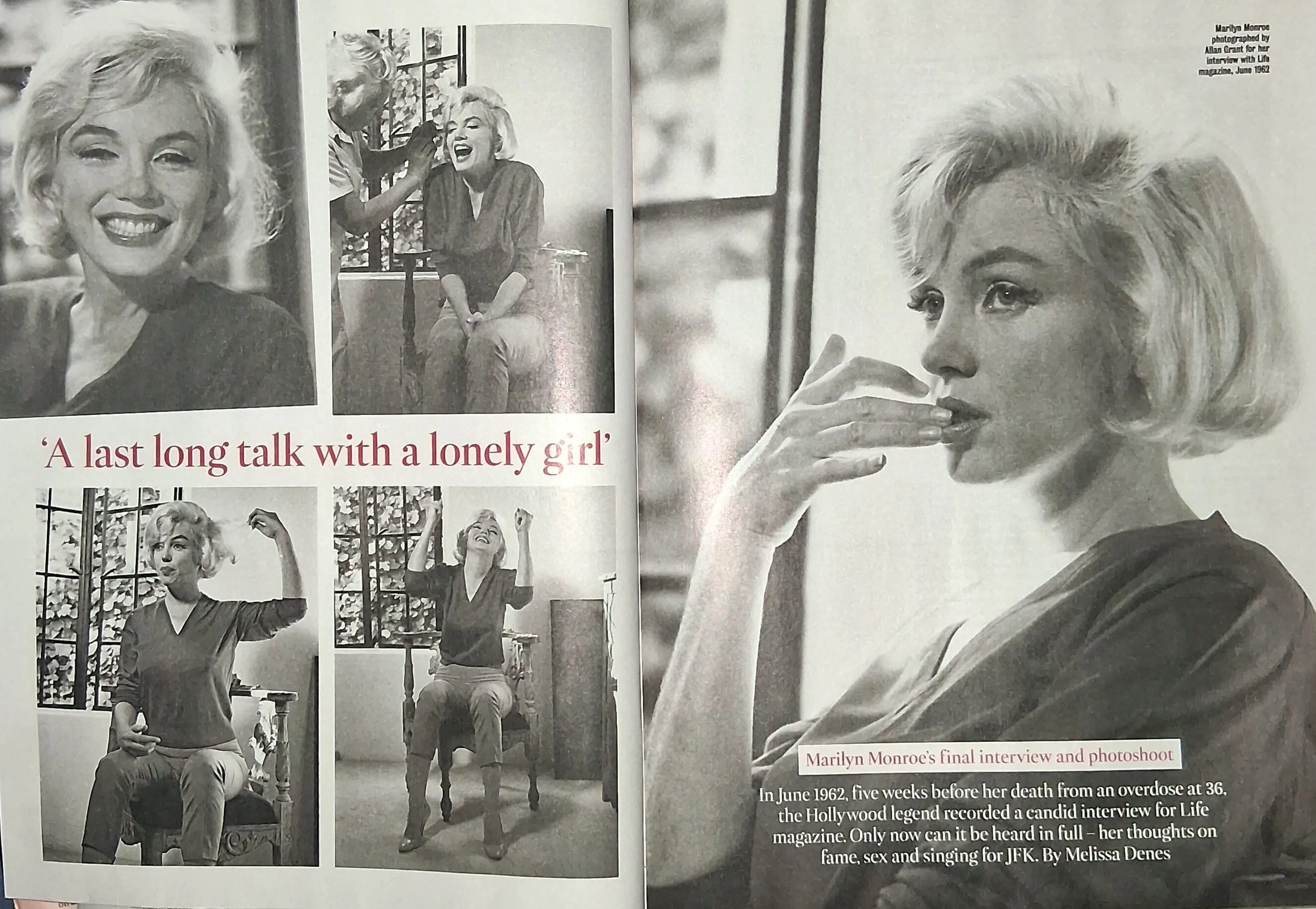
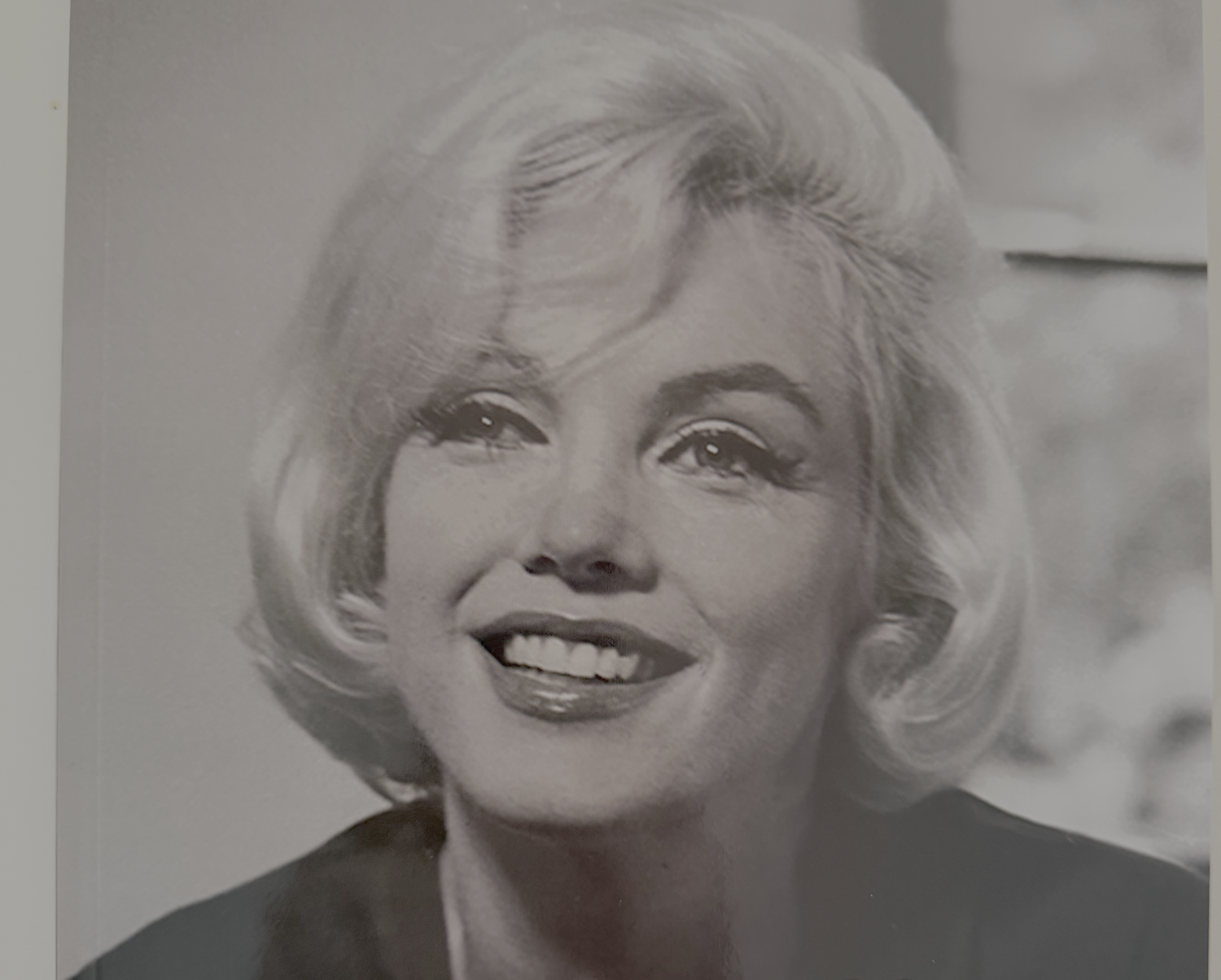
The family of LIFE photographer Allan Grant had safeguarded Marilyn Monroe’s final formal photo shoot for more than six decades. Taken one month before her death, the photographs accompanied an interview published in LIFE on August 3, 1962, just two days before she died. The archive comprised 432 photographs, yet only eight had appeared in LIFE and approximately 20 had ever been seen publicly. Although Grant had been a respected LIFE photographer for 20 years, neither he nor this extraordinary body of work had an established presence in the commercial photography market.
With Marilyn’s centenary approaching, the Grant family was ready to share the complete collection and allow Marilyn — and the story behind the photographs — to be “free” after 64 years. 1966 Americas created 1962 MM LLC with business partner Jason Greene and had just 15 months from acquiring the collection to Marilyn’s 100th birthday. We had also been given access to a poor-quality digital audio file of the accompanying interview, conducted by LIFE journalist Richard Meryman. The challenge was not only to bring the photographs to the world, but to determine whether the original recordings, documents, and transcripts had survived, locate Meryman’s family, and explore whether the two families would collaborate to release material that had remained largely unheard for more than six decades.
Bringing the Archive Together
1966 Americas developed a strategy built around credibility, completeness, and trust. We established the archive's provenance and historical importance, as well as the central roles Allan Grant and Richard Meryman played in documenting this final chapter of Marilyn’s life. Although the original LIFE article was well known among Marilyn historians and dedicated fans, the wider public had never seen the complete photographic collection or experienced the interview in its entirety.
We earned the trust and cooperation of both families and brought the photographs and audio together for the first time. Working from the original source materials, we had the interview audio professionally restored and scanned, digitized, and preserved all surviving documents and transcripts, creating a complete archive for future publication, exhibition, and research. The project became more than the rediscovery of a historic archive: it gave Marilyn the last word and the chance to tell her story in her own voice as the world marked her centenary.
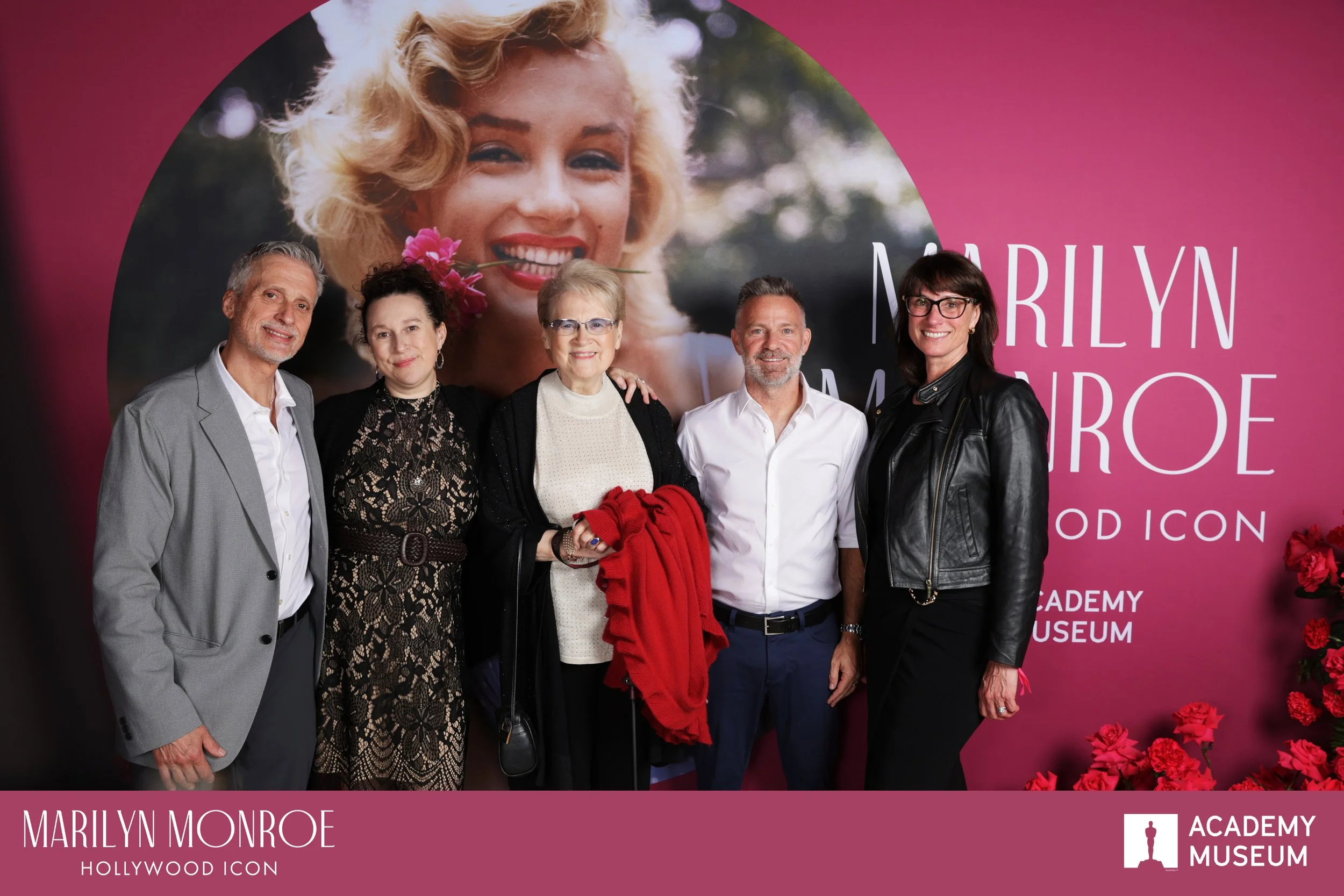
Co-authors Chris Flannery (far left) and Jason Greene (second from right) with Meredith Landis, daughter of LIFE journalist Richard Meryman, alongside Karin Grant and Krissi Grant, the widow and daughter of iconic LIFE photographer Allan Grant. The group gathered at the Academy Museum of Motion Pictures for the Marilyn Monroe: Hollywood Icon exhibition.
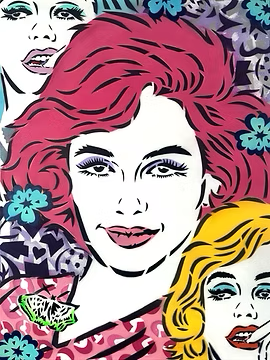
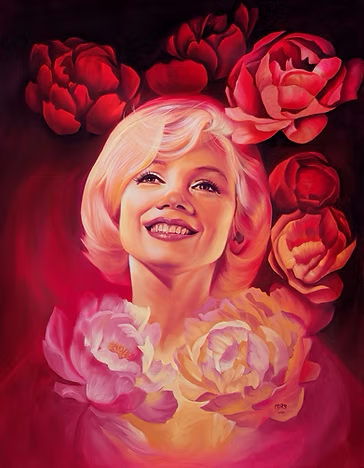
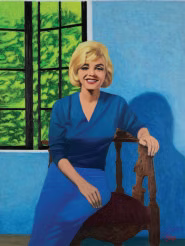
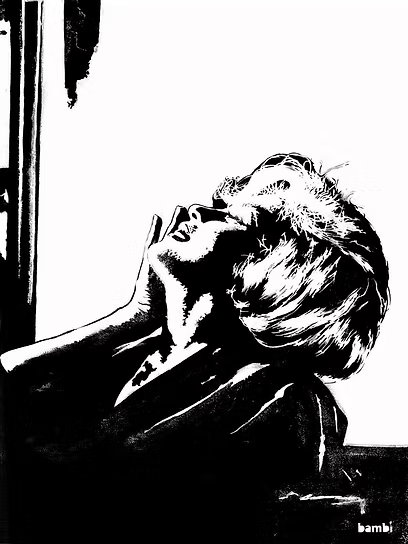
The curatorial vision extended beyond Grant's photographs and Meryman's interview. To honor Marilyn as a woman and subject—not merely as an image mediated by male photographers, filmmakers, and painters—1966 Americas commissioned contemporary artistic interpretations that speak to her enduring cultural presence. Female street artists Lady Aiko, Bambi, and Adry del Rocio created new works inspired by Grant's photography, reimagining Marilyn through themes of agency, resilience, equality, and authenticity. These contemporary visions sit alongside pop artist James Francis Gill's career-spanning engagement with Marilyn's image—his landmark 1962 Marilyn Triptych (in MoMA's permanent collection) paired with a newly created 2025 version —bridging the immediacy of her legacy with its permanence across generations. Together, these artists ensure that Marilyn is presented not as a static icon, but as a continually reimagined cultural presence.
From Archive to Major Publication
Our publishing strategy centered on presenting the material in full. We brought together the complete interview and all 432 photographs in Marilyn: The Lost Photographs, The Last Interview, giving readers unprecedented access to Marilyn’s words and Grant’s and Meryman’s work.
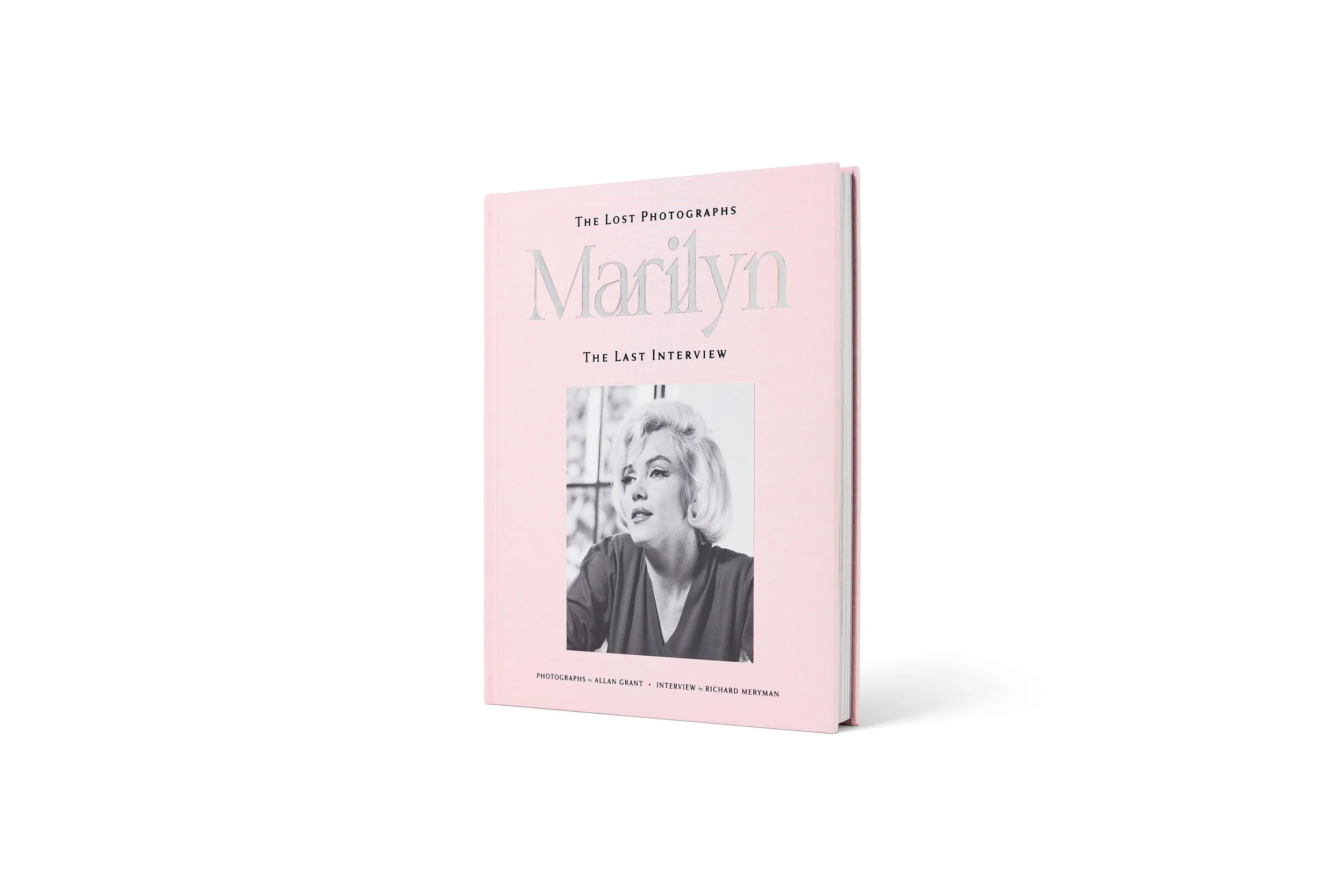
Marilyn: The Lost Photographs, The Last Interview
The book was distributed across North America, Europe, and Latin America, and the response was immediate. All available U.S. stock sold through within two weeks of publication, including Amazon’s entire inventory, and the book entered its third edition within two months. In the U.S., it outsold all other Marilyn Monroe books by four to one. The project gave the archive a powerful new physical expression, bringing together images that had remained largely unseen with an interview that revealed Marilyn in her own words.
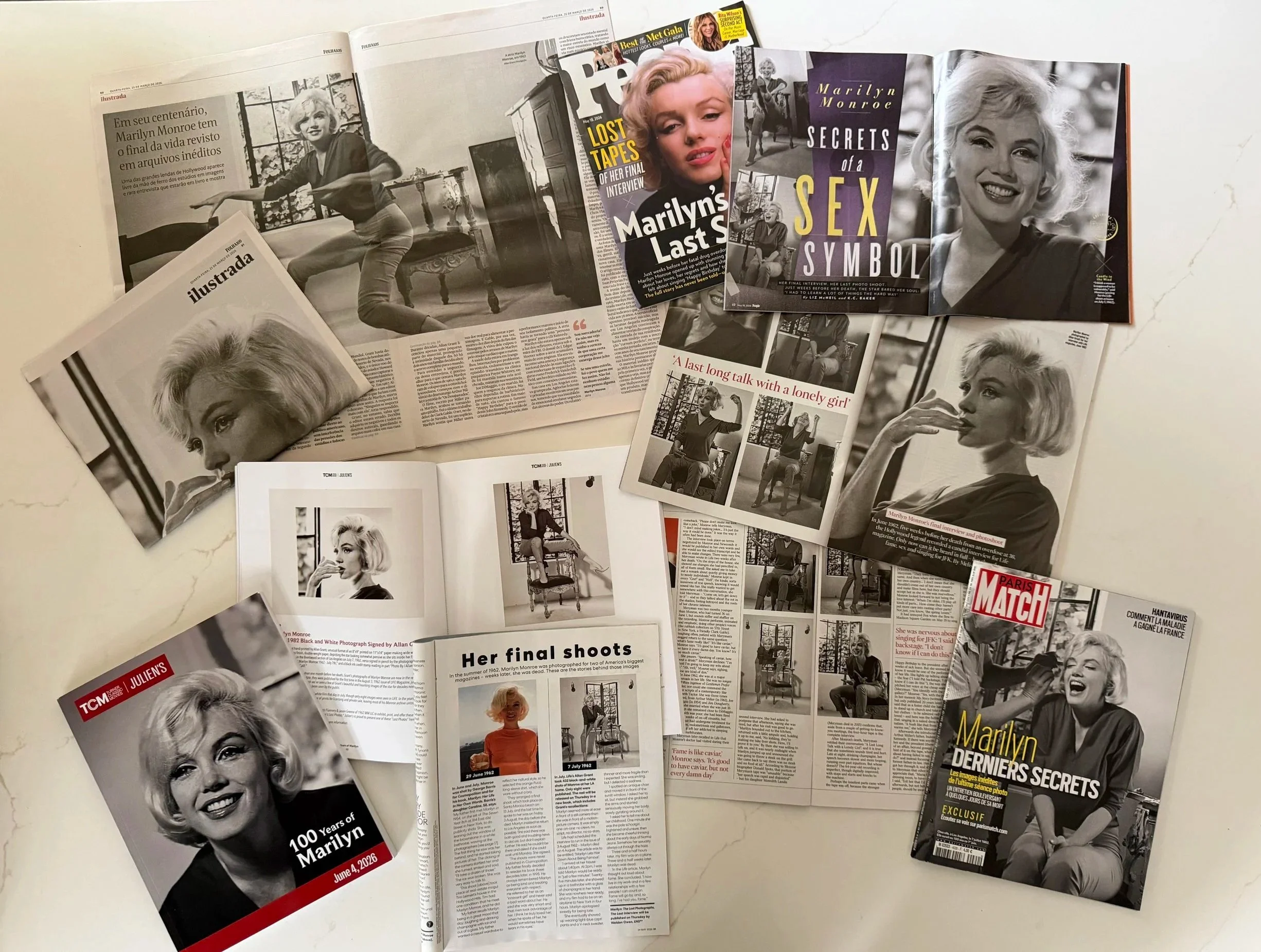
The publication also became the catalyst for an extraordinary level of international media attention. The project generated cover stories in PEOPLE, Paris Match, and The Times Magazine, alongside major features and broadcast coverage from The Times of London, Estadão, CBS Sunday Morning, the BBC’s The One Show, RTL Germany, and other outlets across North America, Europe, and Latin America. The breadth of the coverage helped move the collection beyond the specialist photography and Marilyn communities and into the wider cultural conversation surrounding her centenary.
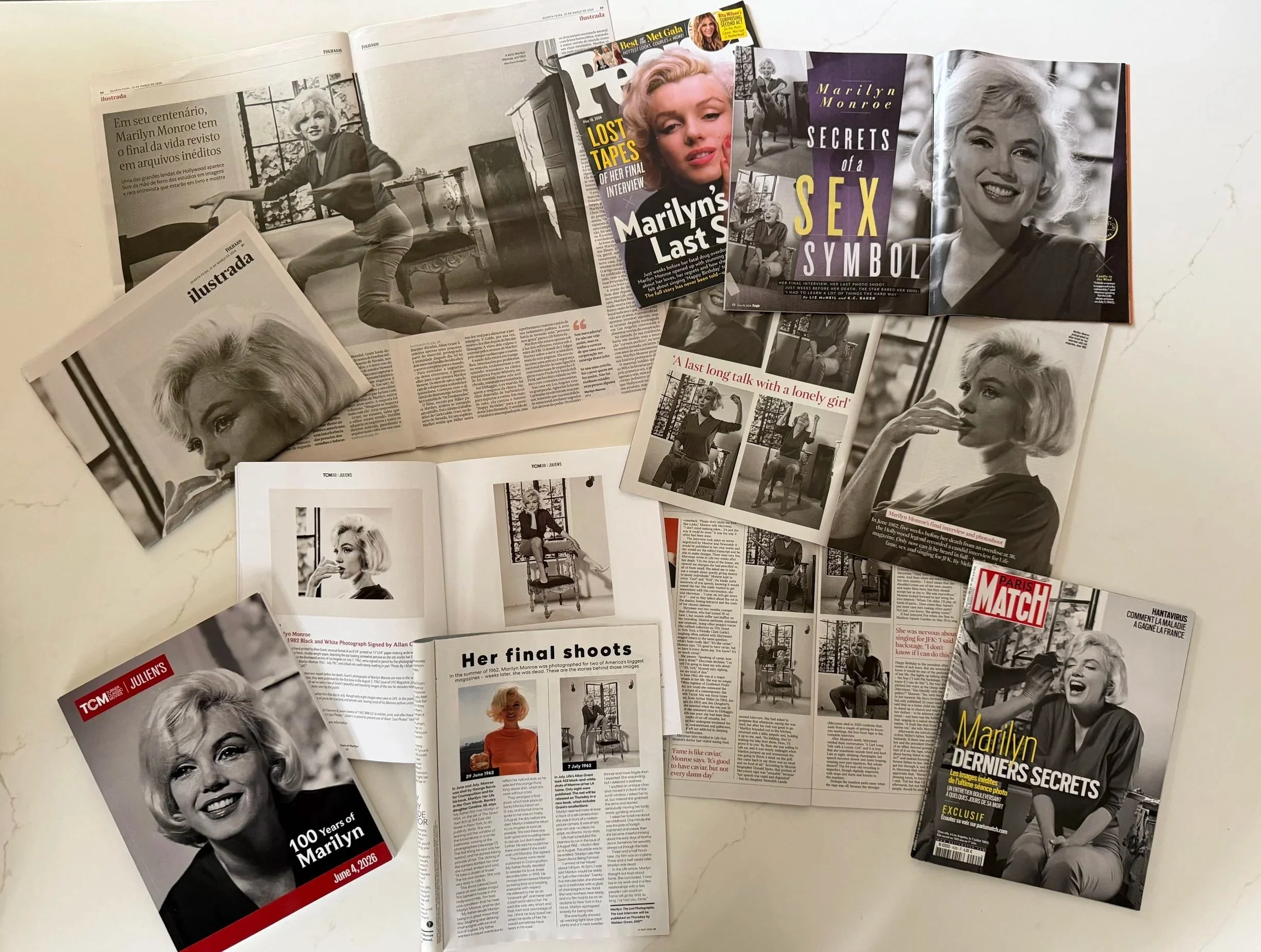
Bringing Marilyn Back Into the Cultural Conversation
The publishing momentum created an opportunity to bring the archive into major institutional exhibitions being developed around Marilyn’s centenary. 1966 Americas identified opportunities to contribute to presentations at the Academy Museum of Motion Pictures in Los Angeles, the National Portrait Gallery in London, and La Cinémathèque française in Paris. The restored audio offered these institutions a powerful new way to present Marilyn as a person rather than simply as an image, allowing her voice to sit alongside the photographs and historical material.
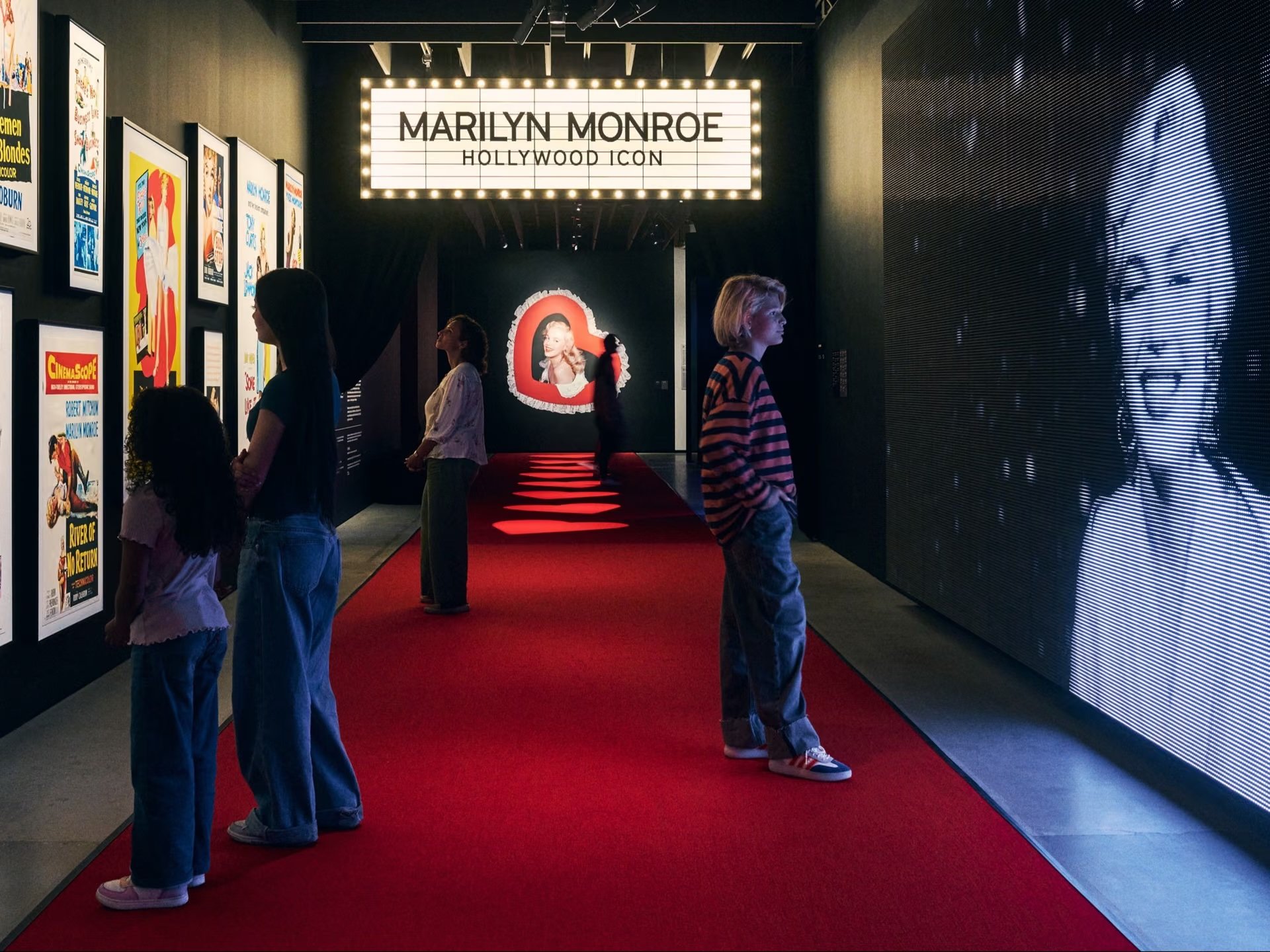
Visitors Exploring Marilyn Monroe: Hollywood Icon. Photo Credit: Emily Shur © Academy Museum Foundation
The collection was subsequently presented through exhibitions and installations in London, Los Angeles, New York, São Paulo, Zaragoza, Singen, and other international markets. At the same time, the work strengthened the collection's provenance, clarified the rights associated with the images, and created a framework for presenting, licensing, distributing, and preserving the material over the long term.
Building a Global Fine-Art Platform
Alongside the museum program, we developed a global gallery, auction, and media strategy designed to establish Grant’s photographs within the international fine-art photography market. We created an exclusive collection of platinum prints alongside a broader collection of archival prints, and released rare vintage prints through specialist galleries and auctions. We established gallery exhibitions and sales programs in Los Angeles, London, Paris, São Paulo, and Madrid, along with a twenty-city program in Germany.
Exhibition walkthrough: "Marilyn, a Última Entrevista" at the Museum of Image and Sound (MIS) in São Paulo, Brazil — presenting Marilyn Monroe's lost photographs and final interview to international audiences.
The strategy positioned Grant’s work not simply as historical documentation, but as a collectible body of photographic art with its own provenance, scarcity, and commercial value. The collection remains represented through leading photography galleries, including the Peter Fetterman Gallery, where Grant’s 1962 Marilyn Monroe photographs are presented as platinum/palladium prints.
An Archive That Became an Enterprise
The centenary provided the moment, but the strategy was designed to create value well beyond it. By bringing together Grant’s photographs, Meryman’s interview, and the surviving historical material, 1966 Americas transformed a private archive into a multi-dimensional intellectual-property enterprise—one capable of supporting publishing, fine art, exhibitions, media, auctions, and future research.
The book opened the archive to a broad international audience. Museum exhibitions placed it within the cultural record. The fine-art program gave Grant’s photographs a collectible life of their own, while global media coverage brought the story to millions of people who had never encountered the work.
What had remained largely unseen for more than six decades became a global cultural and commercial enterprise — giving Marilyn not another retelling of her story, but an opportunity to be seen and heard differently.
Key Takeaways
Completeness creates value. Eight photographs had entered the public record. Bringing together all 432 changed the collection's scale and significance.
Trust is part of the work. For sensitive cultural archives, earning the confidence of the families and communities connected to the material can be as important as the commercial strategy itself.
Multiple interpretations strengthen legacy. The same intellectual property became a book, fine-art print program, museum exhibitions, gallery presentations, media coverage, auctions, and a platform for future research.
The opportunity was never simply to release photographs unseen for decades. It was to give an extraordinary archive the structure, context, and commercial strategy required to endure.