B.B. King
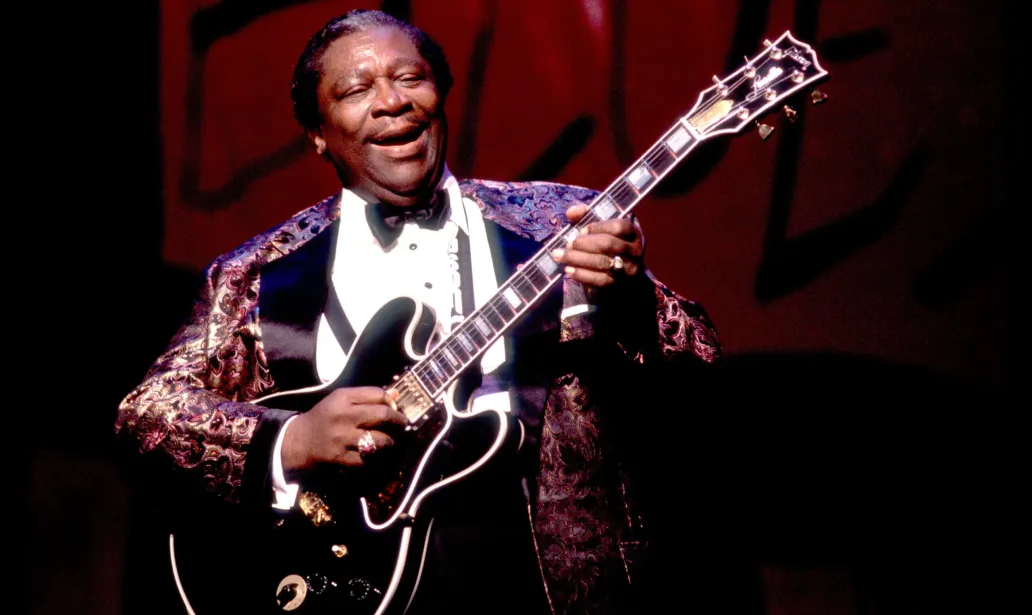
B.B. King performing with his Lucille guitar.
16 Grammy Awards
Polar Music Prize Laureate
Blues Foundation & Rock and Roll Hall of Fame inductee
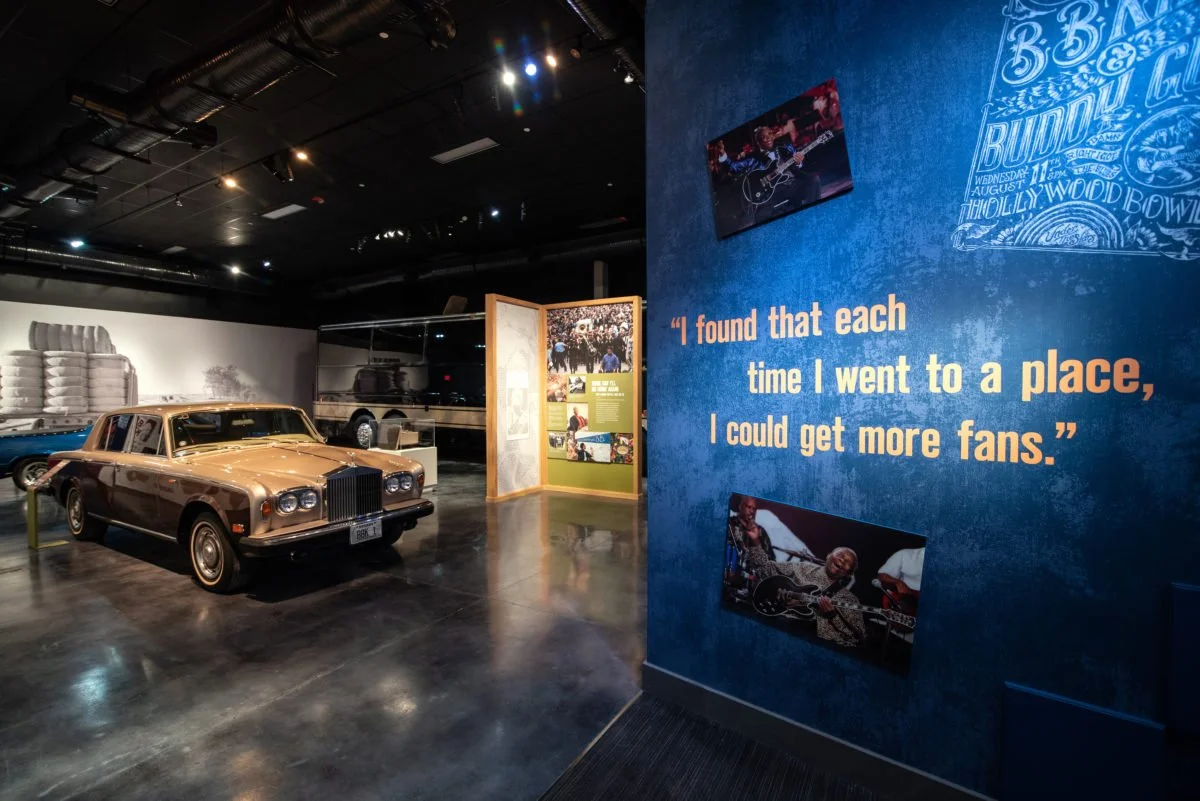
B.B. King, known as the King of the Blues, stands as one of the most influential musicians in American history. Born in the segregated Mississippi Delta during the Jim Crow era, he rose to prominence in the 1950s as both a performer and bandleader, ultimately becoming a global ambassador for Blues music across a six-decade career. His guitar virtuosity, combined with his distinctive vocal style and emotional intensity, made him a singular force in music—one who crossed racial and cultural boundaries in the 1960s and collaborated with artists across generations, from U2 to Eric Clapton. Beyond his musical achievements, B.B. King pioneered prison reform, beginning with his landmark 1970 performance at Cook County Jail and continuing with dozens of subsequent concerts in American prisons. He co-founded the Foundation for the Advancement of Inmate Rehabilitation and Recreation (FAIRR), channeling his influence toward social change. His career and influence have earned him countless awards, including the Polar Music Prize, often called the “Nobel Prize of Music,” and the Presidential Medal of Freedom, while his recordings continue to reach millions of listeners worldwide. The B.B. King Museum and Delta Interpretive Center in Indianola, Mississippi, preserves his legacy and serves as his final resting place.
How 1966 Americas helped
THE ARCHIVE
The first exhibition in Brazil devoted entirely to B.B. King
LEGACY WORK
Nearly 50 irreplaceable artifacts safely transported across two continents
INFRASTRUCTURE
5,000+ sq. ft. exhibition at a leading Brazilian cultural institution
ACTIVATION
Extensive coverage across national television, print, and digital media
LICENSING & IP MANAGEMENT | EXHIBITIONS
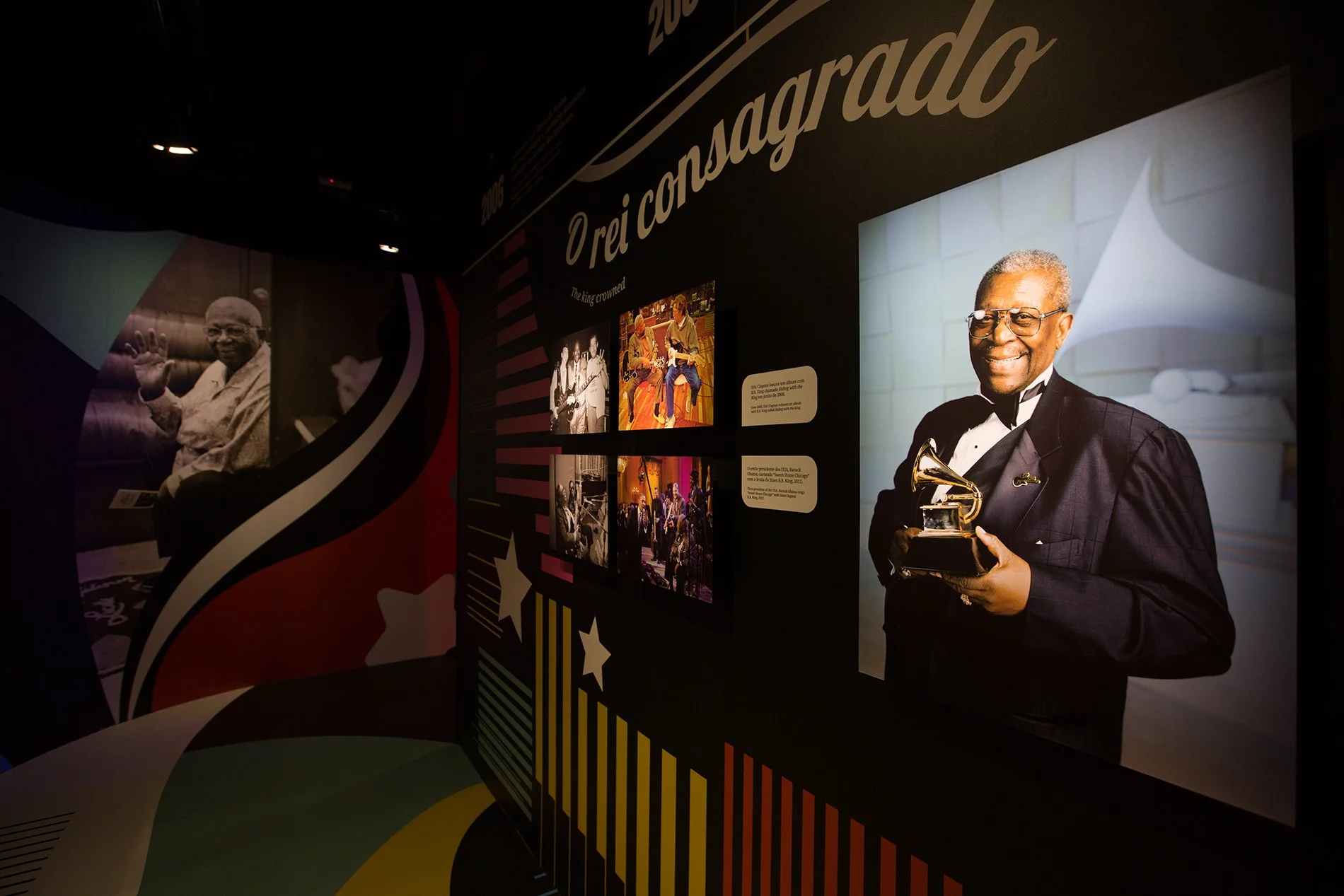
The B.B. King Museum faced a structural challenge: only a fraction of B.B. King's global audience could travel to rural Mississippi, and international visitation remained depressed after the pandemic. With his centenary approaching in 2025, 1966 Americas developed a strategy to bring his legacy directly to international fans through a major international exhibition. We identified Brazil as the strongest first market based on his touring history (50+ concerts there), streaming data (third-largest market worldwide), and cultural resonance. 1966 Americas curated B.B. King: A Better World Somewhere at the Museum of Image and Sound in São Paulo—the first exhibition in Brazil devoted entirely to his life and legacy—overseeing the safe transport and return of nearly 50 irreplaceable artifacts, including his first Grammy Award and final Lucille guitar. Rather than a static display, the exhibition positioned B.B. King's story as a lens onto the broader social history of 20th-century America: race, segregation, cultural boundaries, entrepreneurship, and his pioneering work in prison reform.
Institutional Partners
1966 Americas facilitated a partnership between the B.B. King Museum and Delta Interpretive Center in Mississippi and the Museum of Image and Sound in São Paulo — bringing together the physical archive and institutional expertise needed to present B.B. King's legacy to an international audience and establish the foundation for future exhibitions worldwide.