Tina Turner and the Image Bank Built From a Single Photograph
How one licensing request for Rolling Stone's tribute coverage led 1966 Americas to build the comprehensive photography archive now behind Tina Turner's catalog, reissues, and legacy.
At a glance
Photographers identified: 20+ across six decades of Tina Turner's career
Image Bank built: a centralized digital asset system for BMG, Warner Music and other authorized stakeholders
Timeline mapped: defining career moments cross-referenced against available photography and rights status
Recent releases supported: content and clearances behind three major catalog reissues
A Photograph That Led to a Bigger Question
In 2021, BMG — the international music rights and services company, a division of Bertelsmann — acquired an extensive portfolio of Tina Turner's music interests, together with rights to her name, image and likeness. Working with Tina and her representatives, BMG began considering how to protect, develop, and share her extraordinary legacy with future generations.
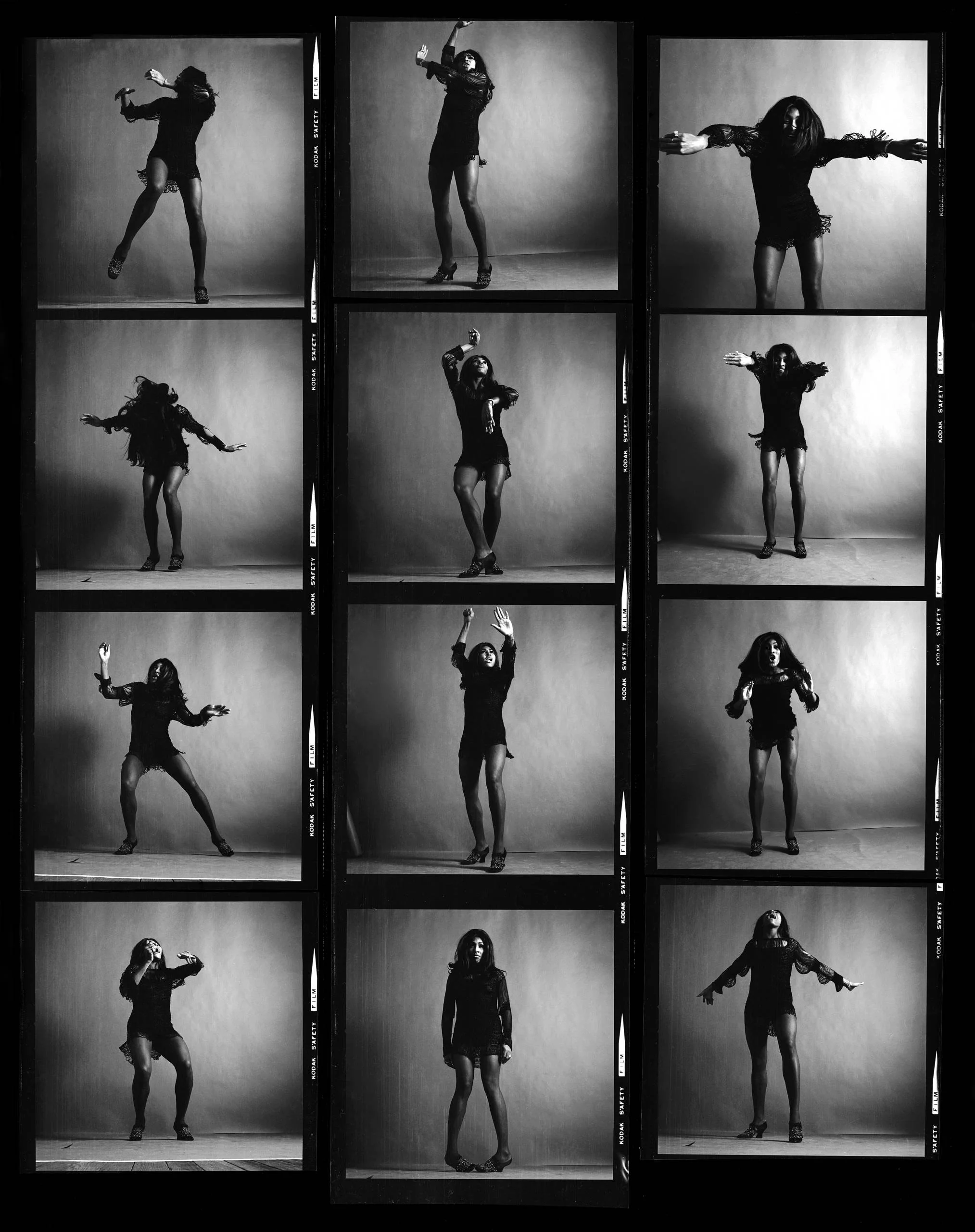
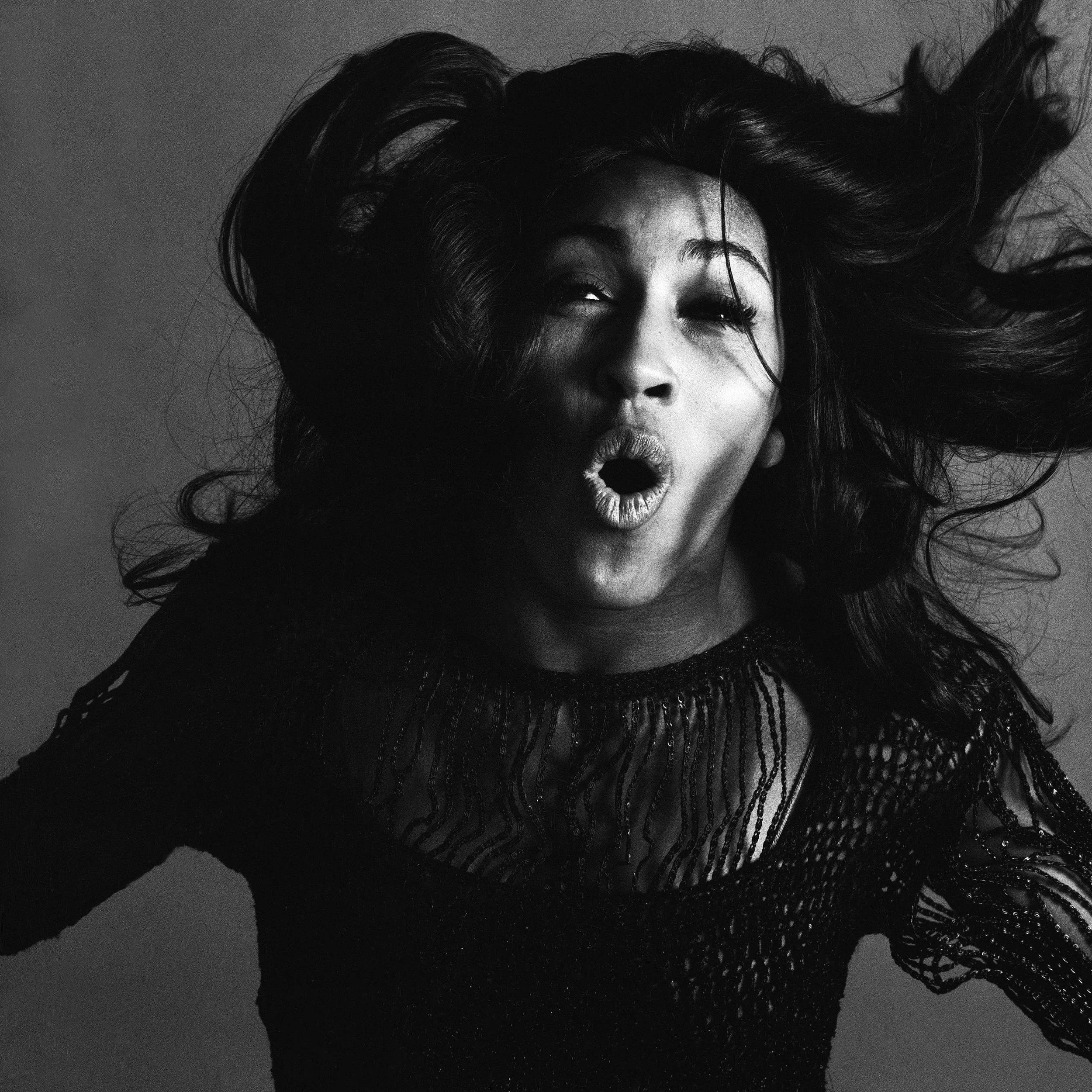
At the same time, 1966 Americas was working with the Jack Robinson Archive, one of our photography clients, to license Robinson's 1969 portrait of Tina — captured in New York while she toured with The Rolling Stones — for Rolling Stone magazine's commemorative cover. Tina had previously selected images from that same shoot for her limited-edition book, Tina Turner: That's My Life, published with Rizzoli.
That single licensing conversation surfaced a much bigger gap: Tina's photographic history had never been consolidated into one place. Images existed across dozens of photographers, estates, and archives, with no coordinated record of what existed, who owned it, or what could legally be used. It was restricting plans already in motion — regular social media content, catalog management, merchandise, reissues and legacy projects all needed images that were hard to find and harder to clear quickly.
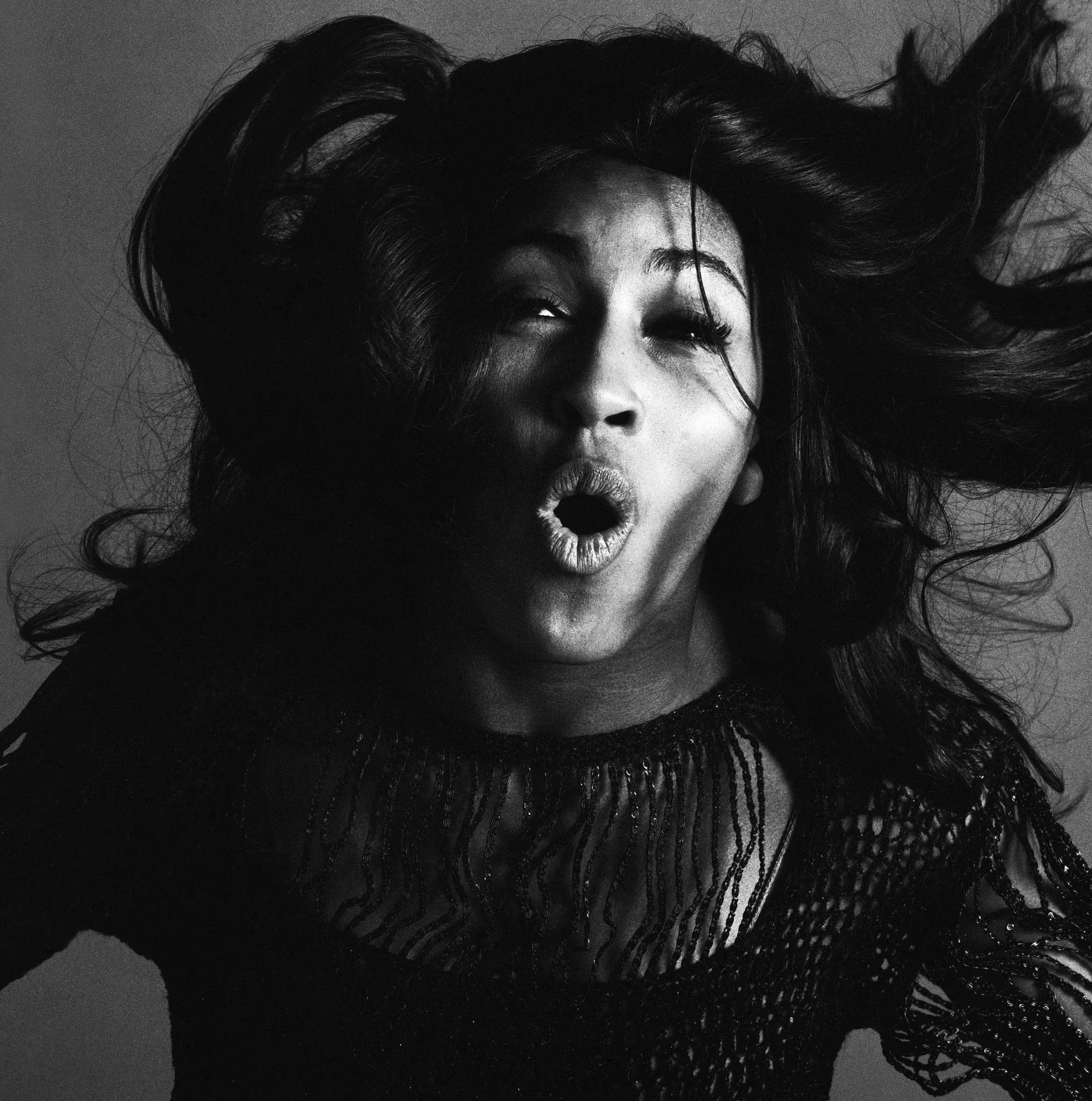
Where it started: a Rolling Stone request to license this 1969 Jack Robinson portrait of Tina led to the creation of the Image Bank. Photo by Jack Robinson/Jack Robinson Archive.
Building the Archive
Drawing on a strategy previously developed for Pelé, 1966 Americas recommended creating a comprehensive image bank covering the full arc of Tina's career, with particular emphasis on her emergence and global success as a solo artist. The strategy included:
Identifying the leading photographers who documented Tina throughout her career
Creating a visual timeline of important performances, recordings, collaborations and personal milestones
Locating the strongest available images associated with each moment
Establishing ownership, provenance and permitted uses
Negotiating licenses and permissions
Digitizing selected materials at high resolution
Identifying opportunities to acquire strategically important photographic archives
Several projects were already in development, each needing high-resolution, career-spanning photography — and that need became urgent when Tina passed away in May 2023, and an immediate tribute had to go out on her official social media accounts. Collections containing key concert images were prioritized for digitization and clearance first, so that need could be met from an archive already taking shape rather than starting from nothing. The end goal was a centralized digital asset management system — giving BMG, Warner Music, Pophouse and other authorized stakeholders secure, efficient access to approved materials in one place, rather than chasing down rights on a case-by-case basis.
Two Decades, Twenty Photographers
Through 1966 Americas' network, the team identified more than 20 leading photographers who documented Tina throughout her career, including Anton Corbijn, Peter Lindbergh, Bob Gruen, Neal Preston, Paul Cox, Dave Hogan and Paul Natkin. An initial visual database captured each photographer, shoot, performance date, venue, and rights status.
Working with BMG and Warner Music, the team then built a timeline of Tina's defining career moments — Live Aid, Mad Max Beyond Thunderdome, and her record-breaking concert at Maracanã Stadium in Rio de Janeiro, where roughly 180,000 fans still make it the highest attendance ever recorded at a ticketed concert by a female artist — a record that broke Frank Sinatra's own mark, set at the very same stadium eight years earlier. The timeline also captured her Proud Mary duet with Beyoncé at the 2008 Grammy Awards, alongside a parallel database of significant collaborators including David Bowie, Mick Jagger and Bryan Adams.
Each priority moment was cross-referenced against available photography, building a pictorial database that began securing the rights and permissions behind it. The work extended to planned music reissues requiring photography licenses to be renewed or renegotiated, and to sourcing new visual material for packaging, marketing and merchandise. Along the way, the team identified and helped acquire a significant photographer's collection of Tina Turner images, digitized and cataloged with detailed metadata — giving BMG greater control over an important body of work while opening up new content, products and revenue opportunities. Everything was organized into the digital asset management system, and the project has since expanded beyond photography to include film and audio connected to key moments in her career.

Tina Turner dances with samba performers in Rio de Janeiro, Brazil, January 1988, during her record-breaking Break Every Rule World Tour. Photo by Dave Hogan/Hulton Archive/Getty Images.
From Archive to Reissue
1966 Americas isn't directly involved in revenue generation from Tina's catalog — our role has been building and supporting the infrastructure others use to generate it. But that infrastructure shows up in what actually gets released: content and clearances from this work sit behind the 50th-anniversary reissue of Tina Turns the Country On!, her 1974 solo debut, and the Private Dancer 40th Anniversary Edition, released in March 2025.
Most directly, the Wildest Dreams 30th Anniversary Edition, released in June 2026, credits photography by Peter Lindbergh—one of the more than 20 photographers identified and cataloged through this very project. It's a clean line from archive to shelf: a photographer found, rights established, and years later, his work on the cover of a new release.
Key Takeaways
A rights gap rarely announces itself until there's an urgent reason to fix it. A single licensing request for a magazine tribute revealed a consolidation problem that had been quietly limiting a catalog's commercial options for years.
Archive work compounds — it just takes time to see where. Photographers identified and cleared years ago show up later in reissues, packaging, and campaigns that weren't even planned when the original cataloging happened.
A career spanning six decades leaves photography scattered across dozens of hands — estates, labels, individual photographers, one-off licensing deals. Finding it, clearing it, and organizing it into something usable isn't a one-time project; it's the infrastructure that makes every future reissue, campaign, and tribute possible.