Frank Sinatra and Turning a Photographic Legacy into a Global Business
How 1966 Americas helped transform Frank Sinatra's photographic archive into a collectible fine-art, publishing, and exhibition venture with a life well beyond the centenary.
At a glance
Archive expanded: Family collection complemented by works from leading photographers including Terry O'Neill, Milton Greene, Sid Avery, Allan Grant, Ken Veeder, Bob Willoughby, Dezo Hoffmann, John Dominis and John Bryson
Global reach: Fine-art exhibitions presented in 9 cities across North America, Europe, and Latin America
Collector's edition: 400-page, large-format book printed and hand-bound in Italy, with more than 600 copies sold at an original retail price of $1,500
Decade-plus track record: Fine-art print program has generated continuous value for more than 10 years
A Legacy Ready for a New Chapter
In the lead-up to the centenary of Frank Sinatra's birth in 2015, Frank Sinatra Enterprises (FSE), jointly managed by the Sinatra family and Warner Music Group, was preparing a major program of initiatives to celebrate one of the defining entertainers of the 20th century.
The plans included a documentary, tribute concert, coffee-table book, and commercial partnerships with brands including Jack Daniel's. At the same time, the Sinatra family had assembled, digitized, and preserved a significant photographic archive, while the Grammy Museum was developing an exhibition of memorabilia and ephemera from the family collection, with presentations planned for New York, Miami, and Los Angeles — cities with authentic connections to Sinatra's life and career.
FSE wanted to find new, innovative ways to share Sinatra's legacy with audiences worldwide while creating sustainable revenue opportunities that could continue well beyond 2015. 1966 Americas saw an opportunity in the photographic archive: not simply as supporting material for the centenary, but as a distinct intellectual property asset that could stand on its own.
Building a Photographic Legacy
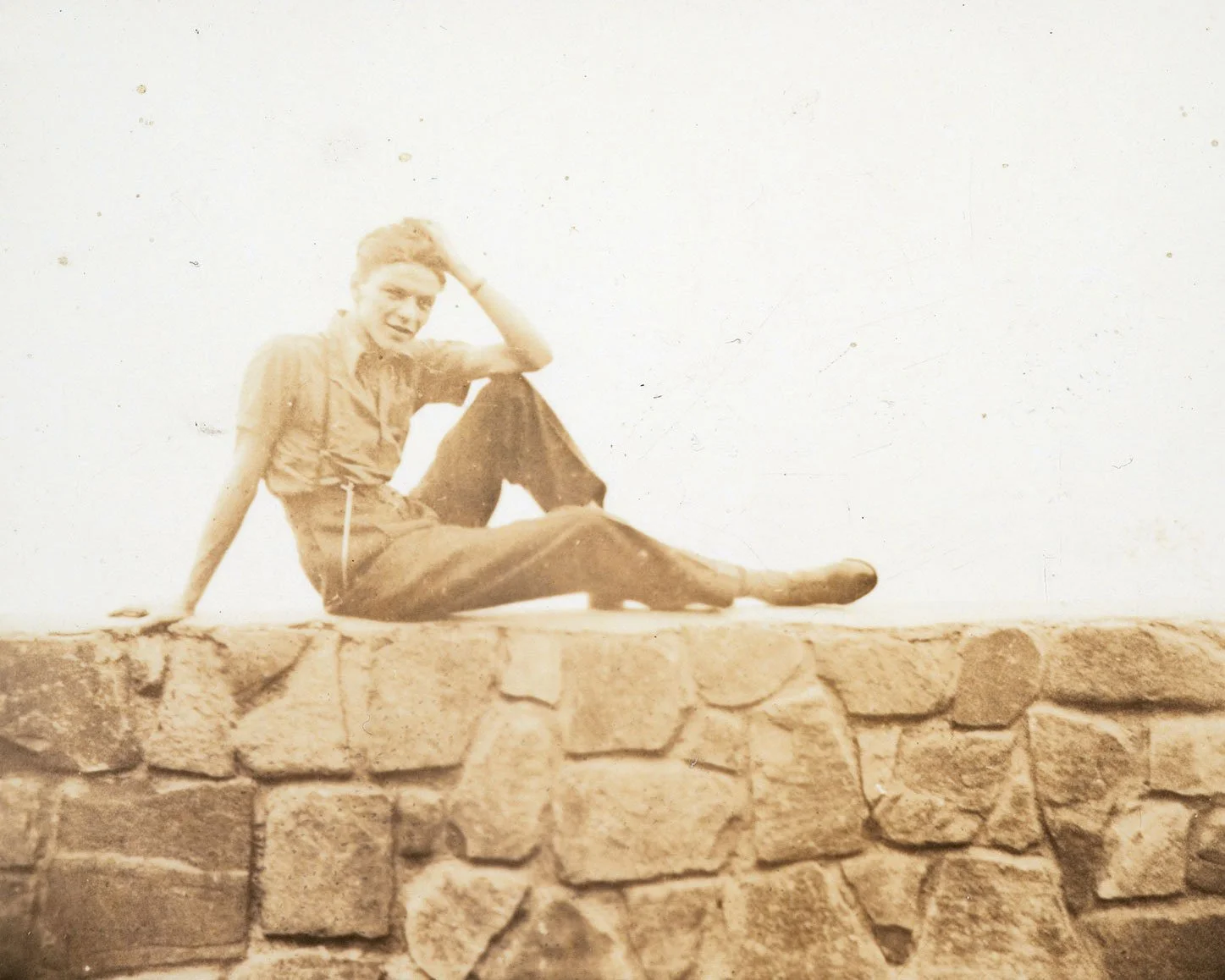
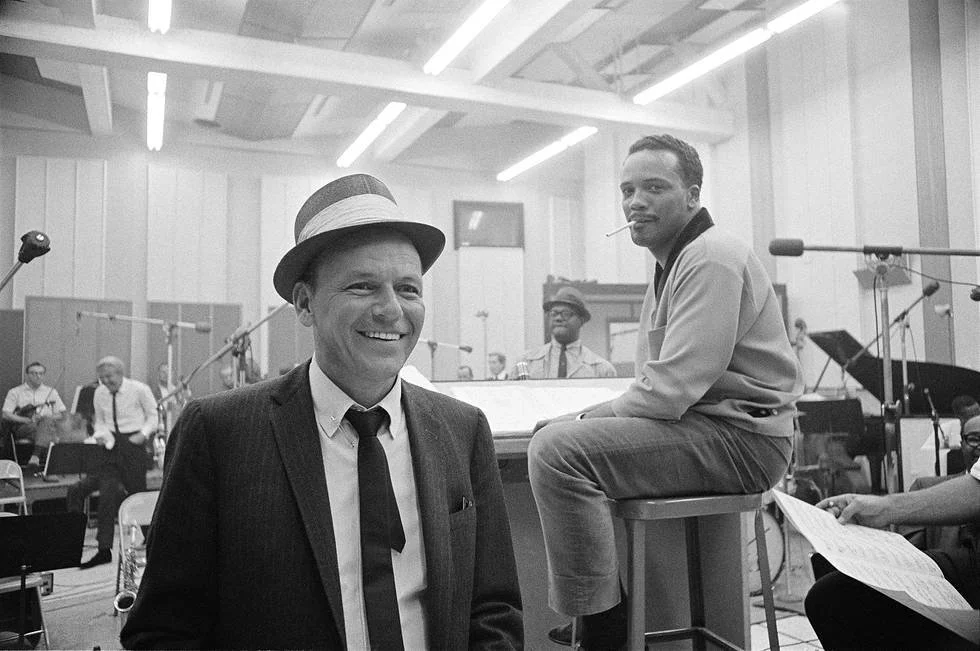
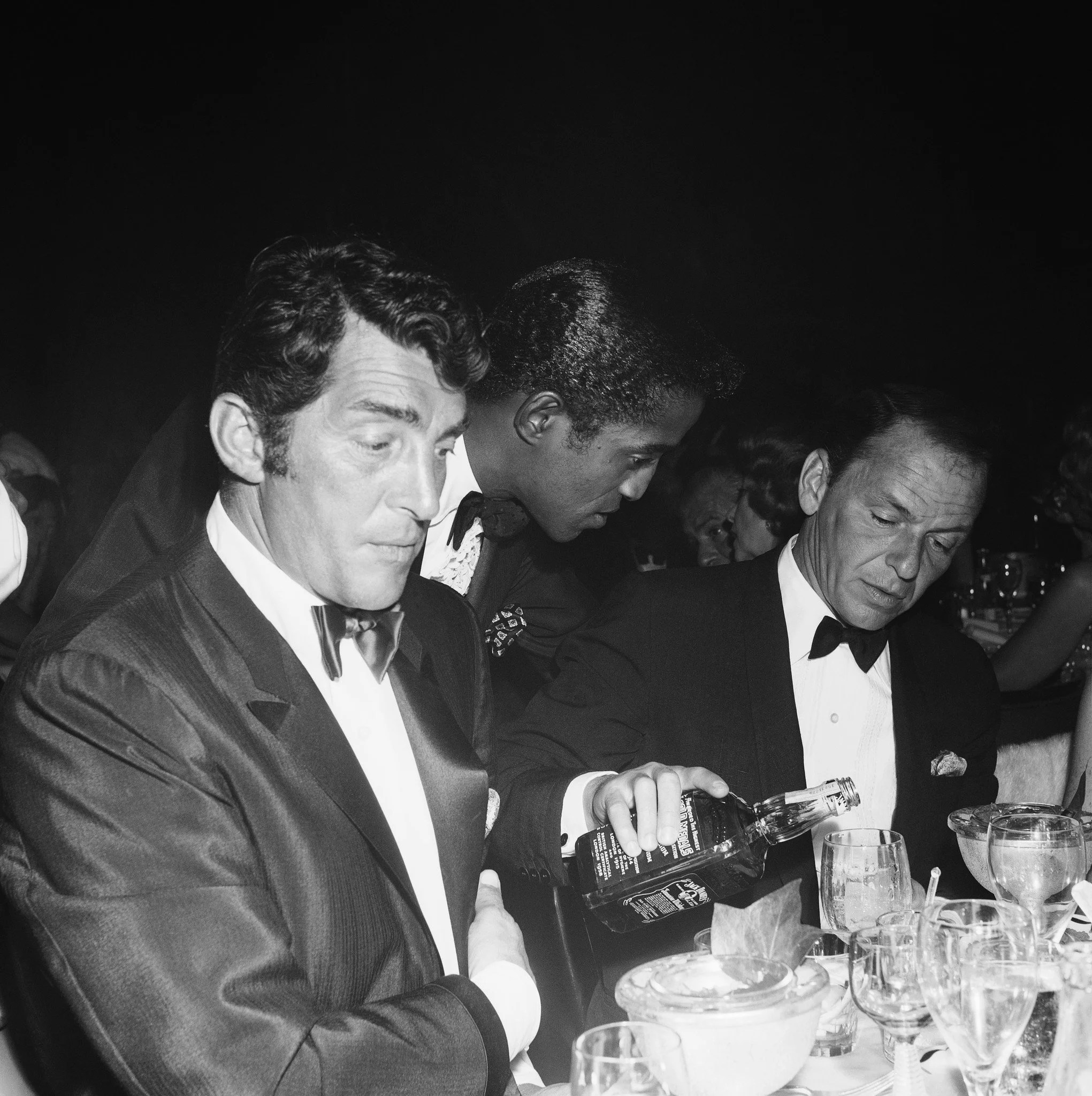
Recognizing the depth and commercial potential of the family's photographic collection, we developed a strategy to expand it with important images from celebrated photographers including Terry O'Neill, Milton Greene, Sid Avery, Allan Grant and Ken Veeder, alongside material from the Capitol Records and Warner Music archives. Together, these photographs could tell the full arc of Sinatra's life and career — from his teenage years, including self-portraits Sinatra took himself during those early, formative years, through his emergence as one of the most influential entertainers of the 20th century.
The work was not simply about adding photographs. It was about creating a coherent, curated collection with the provenance, rights, and presentation required to develop it as a long-term commercial and cultural asset.
Working closely with the Sinatra family and FSE, we curated a fine-art photography collection to be produced as limited-edition archival prints and established an exhibition program through leading galleries and cultural venues, complementing and extending the broader centenary initiatives. The archive was becoming more than a repository of images. It was becoming a business.
From Archive to Collector's Edition
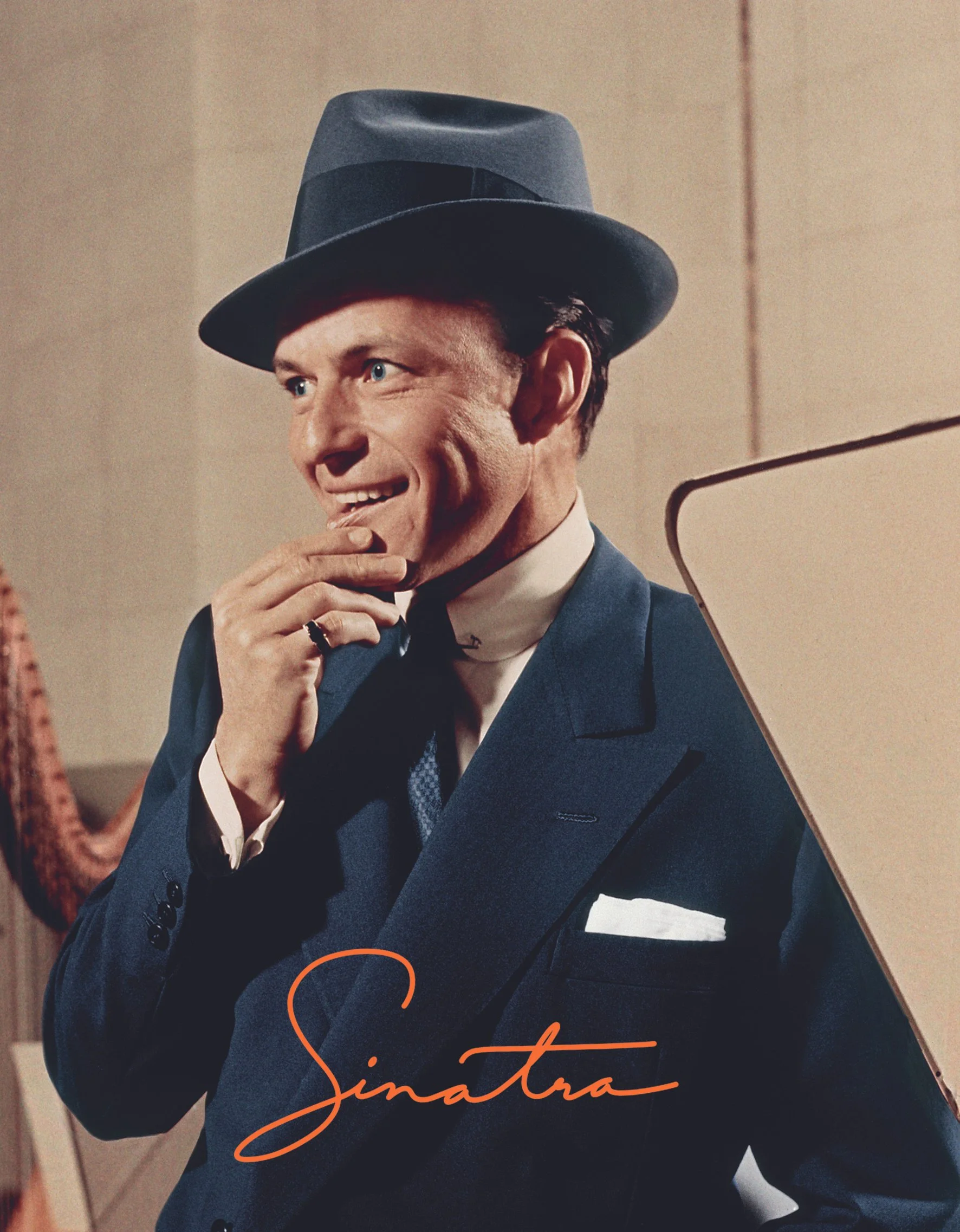
The same approach extended into publishing. We developed a large-format "SUMO" collector's book — curated by Amanda Erlinger, Frank Sinatra's granddaughter, and Robin Morgan — featuring previously unpublished photographs from the family archive alongside works by Bob Willoughby, Dezo Hoffmann, John Dominis, John Bryson, Terry O'Neill, and other distinguished photographers.
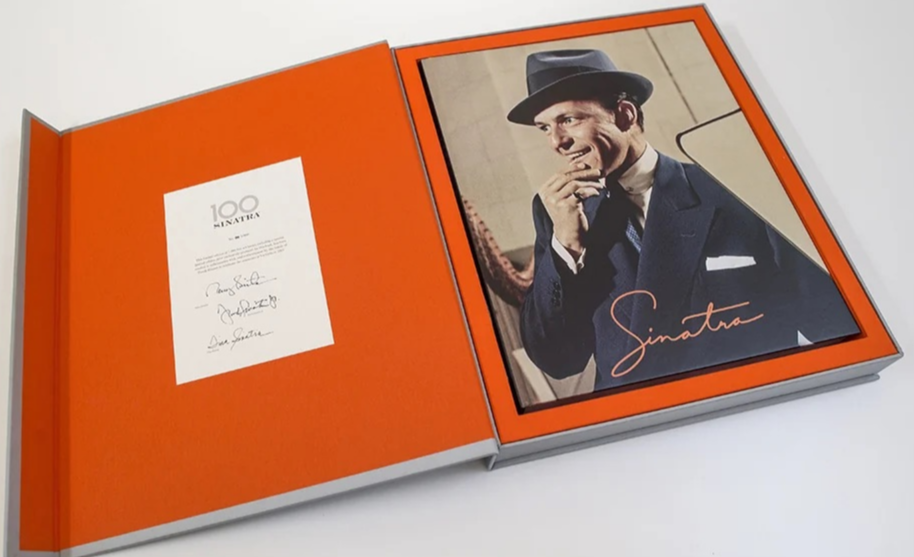
Sinatra — Deluxe Edition, curated by Amanda Erlinger and Robin Morgan. Published by ACC Art Books in association with Iconic Images, 2015.
Terry O'Neill's involvement reflected a deeper relationship than a single photo credit. 1966 Americas had separately led the acquisition of O'Neill's own archive, which became Iconic Images — and it was Iconic Images, in association with FSE, that published the book. The same infrastructure built for one photographer's legacy became the publishing partner for another's.
The book brought together an exceptional visual record of Sinatra's life with personal reflections and remembrances from figures including George Clooney, Barbra Streisand, Martin Scorsese, Quincy Jones, and Paul McCartney. The result was a 400-page, large-format limited-edition publication, printed in Italy and hand-bound in a bespoke clamshell case, with each copy accompanied by a certificate of authenticity signed by members of the Sinatra family.
More than 600 copies were sold, originally retailing for $1,500. Copies remain available today through the Iconic Images Gallery. The project gave the photographic archive a new physical expression — one designed not simply to document Sinatra's career, but to become a collectible object in its own right.
Taking Sinatra's Image Around the World
The fine-art program created a new way for audiences to encounter Sinatra's legacy, launching in July 2015 with a preview at Saks Fifth Avenue in New York — attended by Nancy Sinatra and Amanda Erlinger, and paired with Sinatra-themed artwork by Peter Max. From there, gallery exhibitions were staged at Morrison Hotel Gallery in both New York and Los Angeles, the Peter Fetterman Gallery in Santa Monica, the Wynn in Las Vegas, Rockol Gallery in Milan, Proud Galleries in London, Hilton Asmus Gallery in Chicago, and the Centro Cultural Borges in Buenos Aires, with additional photographic installations at Miami's Fontainebleau Hotel and in Rio de Janeiro.
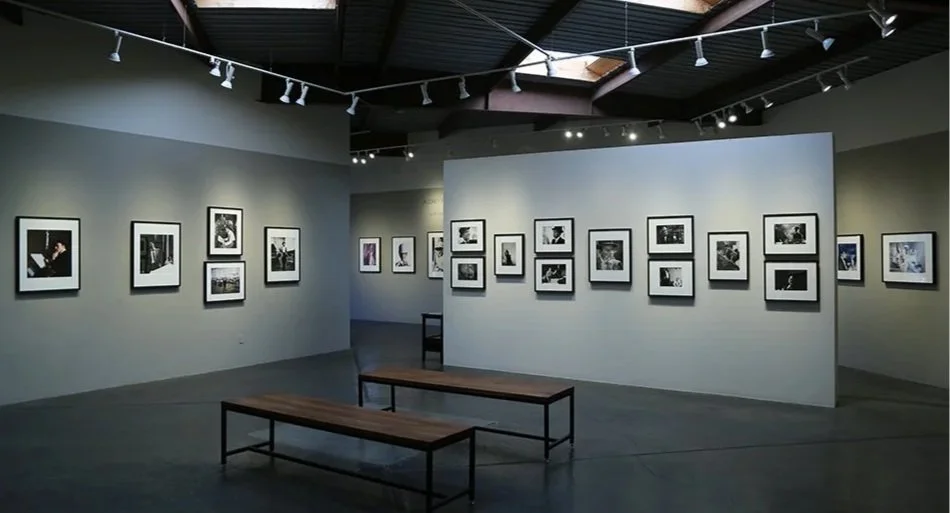
Installation view of the "Frank Sinatra and Audrey Hepburn: A Life in Pictures" exhibition at the Peter Fetterman Gallery in Santa Monica, California. (Image Courtesy of Peter Fetterman Gallery)
Two of these stops took on their own character. At the Fontainebleau, the exhibit anchored a 100-day countdown to Sinatra's 100th birthday on December 12, 2015, curated jointly by the Sinatra family and 1966 Americas. At Peter Fetterman Gallery, the show broadened into "Frank Sinatra–Audrey Hepburn: A Life in Pictures," pairing Sinatra's archive against Hepburn's from the gallery's own distinguished photography collection — a reminder that a well-built archive doesn't just support its own subject's story, it becomes a natural collaborator for other legacies. And in Buenos Aires, the 2017 "Sinatra 100" exhibit at Centro Cultural Borges extended into a "Blind Theater," an immersive, blindfolded listening experience alongside the visual exhibition, giving audiences a way to encounter Sinatra's voice as directly as his image.
This geographic expansion turned the archive into an international cultural circuit, allowing Sinatra's story to travel into new markets and contexts while maintaining a consistent connection to the family's vision for his legacy. At the same time, the work strengthened the provenance of the collection, clarified the rights associated with the images, and gave FSE greater control over their presentation, licensing, and distribution.
An Asset Built to Outlast the Anniversary
The centenary provided the moment, but the strategy was designed to last beyond it. By treating Sinatra's photography as intellectual property in its own right — rather than simply as supporting material for a broader anniversary program — 1966 Americas helped create a new commercial and cultural enterprise around the archive.
More than a decade later, the fine-art print program continues to generate value through highly collectible limited-edition prints, extending Frank Sinatra's legacy into a new generation of collectors and audiences. The collector's book has likewise become a lasting expression of the archive, with more than 600 copies sold.
The anniversary created a moment of global attention. The archive became the engine designed to sustain it.
Key Takeaways
An archive can become a business in its own right. Photographs that might otherwise remain supporting material can become valuable intellectual property when properly curated, rights-managed, packaged, and distributed.
Cultural value and commercial value can reinforce each other. The strength of the cultural proposition — the photographers, provenance, family connection, and quality of presentation — was precisely what made the commercial proposition compelling.
The right moment can unlock a lasting commercial momentum. The 2015 centenary created a natural point of attention, but the underlying strategy was designed to create value well beyond the anniversary itself.
Frank Sinatra's photographic legacy was already valuable. The opportunity was to give that legacy the structure, presentation, and commercial strategy required to reach new audiences and endure in new forms.