
Cal Ripken Jr. and the Enterprise Built After the Streak
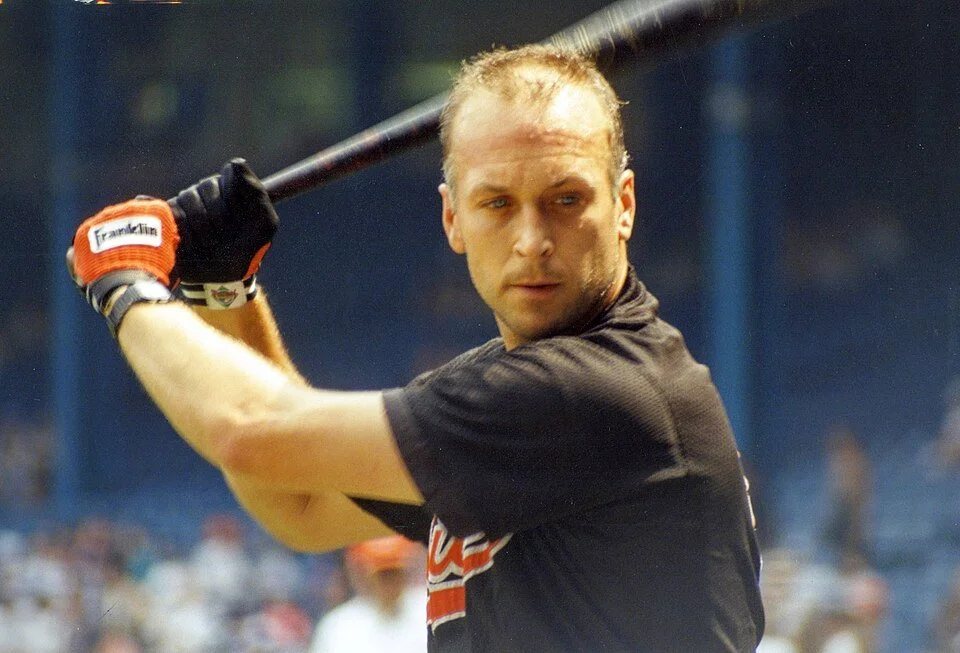
How 1966 Americas helped MLB's Iron Man turn a Hall of Fame retirement into a nationwide youth-baseball and philanthropic enterprise.
At a glance
Organization growth: Fewer than 20 employees to 120+, with total revenue increasing tenfold
Foundation reach: 14M+ young people across all 50 states, including 1.6 million in 2025 alone
Minor League attendance: Aberdeen IronBirds sold out every home game for the franchise's first ten seasons
Leadership: 1966 Americas’ Chris Flannery was COO, then President, of the organization for nearly a decade
Baseball's Iron Man, and a Retirement Without a Plan
Cal Ripken Jr. retired in 2001 after a 21-year Major League Baseball career spent entirely with his hometown Baltimore Orioles. His career was defined by "The Streak": 2,632 consecutive games played across 17 seasons, breaking Lou Gehrig's record of 2,130 games — a mark once considered unbreakable. He retired with 3,184 hits, 431 home runs, 19 All-Star selections, two American League MVP awards, the 1982 Rookie of the Year award, and a 1983 World Series championship. A first-ballot Hall of Fame induction was considered inevitable.
Cal had also grown up within one of baseball's most respected families. His father, Cal Ripken Sr., was a legendary coach and teacher who helped establish the player-development philosophy that became known as "The Oriole Way." Cal Jr. later played alongside his brother, Bill, for the Orioles, including under their father's management. Following Cal Sr.'s death in 1999, Cal and Bill established the Cal Ripken, Sr. Foundation to continue their father's commitment to teaching life lessons through baseball, seeding it with the retirement gifts Cal received from teams across Major League Baseball.
Cal also wanted to give back to his hometown of Aberdeen, Maryland, committing to an ambitious public-private development that would bring Minor League Baseball to the city while creating a state-of-the-art youth baseball destination. But his existing management team had been built to support him as a professional athlete. Retirement presented a very different challenge: building the strategy, organization, systems and leadership required to turn a collection of commitments and opportunities into a sustainable enterprise.
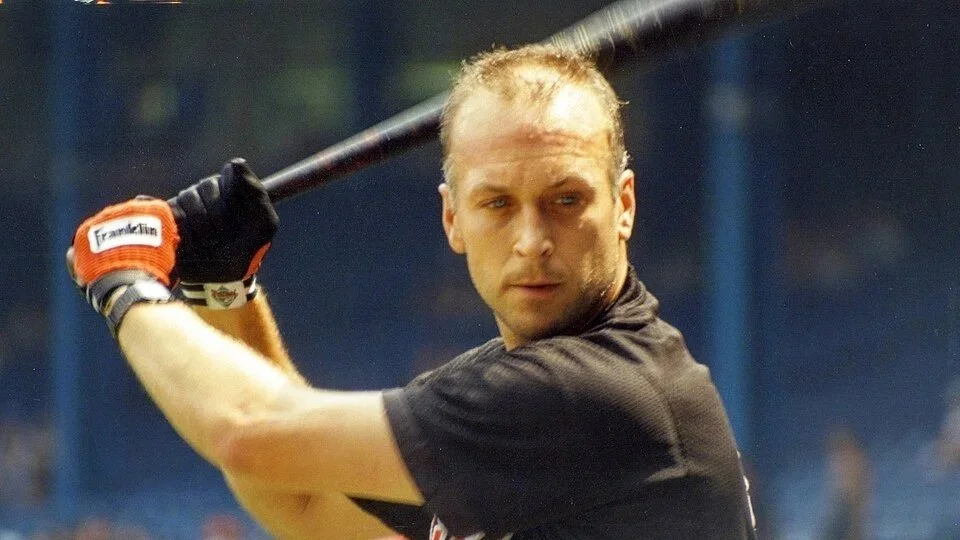
Tiger Stadium in Detroit, 1993, by Rick Dikeman
Building the Organization Behind the Man
Chris Flannery, founder of 1966 Americas, was appointed Chief Operating Officer of the new organization and subsequently became President of the entire enterprise. Over nearly a decade, he led its creation, growth and expansion into multiple states. The organization grew from fewer than 20 employees to more than 120, while total revenues increased tenfold under his leadership.
The work focused on five interconnected priorities:
Enterprise strategy and operations: developing a long-term strategy, organizational structure, management team, operating systems and culture where none had previously existed.
Personal brand and commercial development: optimizing Cal's time and reputation to generate endorsement, licensing, appearance, public-speaking and media revenues — including partnerships with Rawlings, Under Armour, Gatorade, Topps and Energizer — while using those relationships to support the wider business and Foundation.
The Cal Ripken, Sr. Foundation: creating programs for underserved and at-risk young people, while building the fundraising and development capabilities needed to support both programming and major capital projects.
Professional baseball and venue operations: building the Aberdeen IronBirds into a successful Minor League Baseball organization, maintaining attendance, and creating additional uses for a stadium that had no professional games on more than 300 days each year.
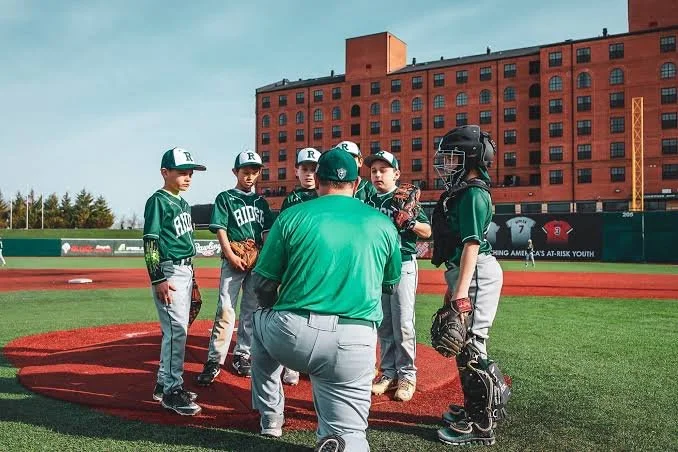
Youth baseball: financing, developing and operating a 40-acre youth baseball complex — transitioning it from an itinerant summer-camp business into a year-round destination, and expanding into tournaments, instructional programs and coach education.
The Ripken Way, Turned Into a Business
At the center of the strategy was the Ripken family's most valuable intellectual property: its philosophy for teaching and growing the game, known simply as "The Ripken Way." 1966 Americas developed opportunities to translate that knowledge into camps, tournaments, coaching programs, instructional products, media and new operating locations — including a media partnership with Major League Baseball Advanced Media that combined the family's teaching philosophy with contemporary instructional footage from Major League games.
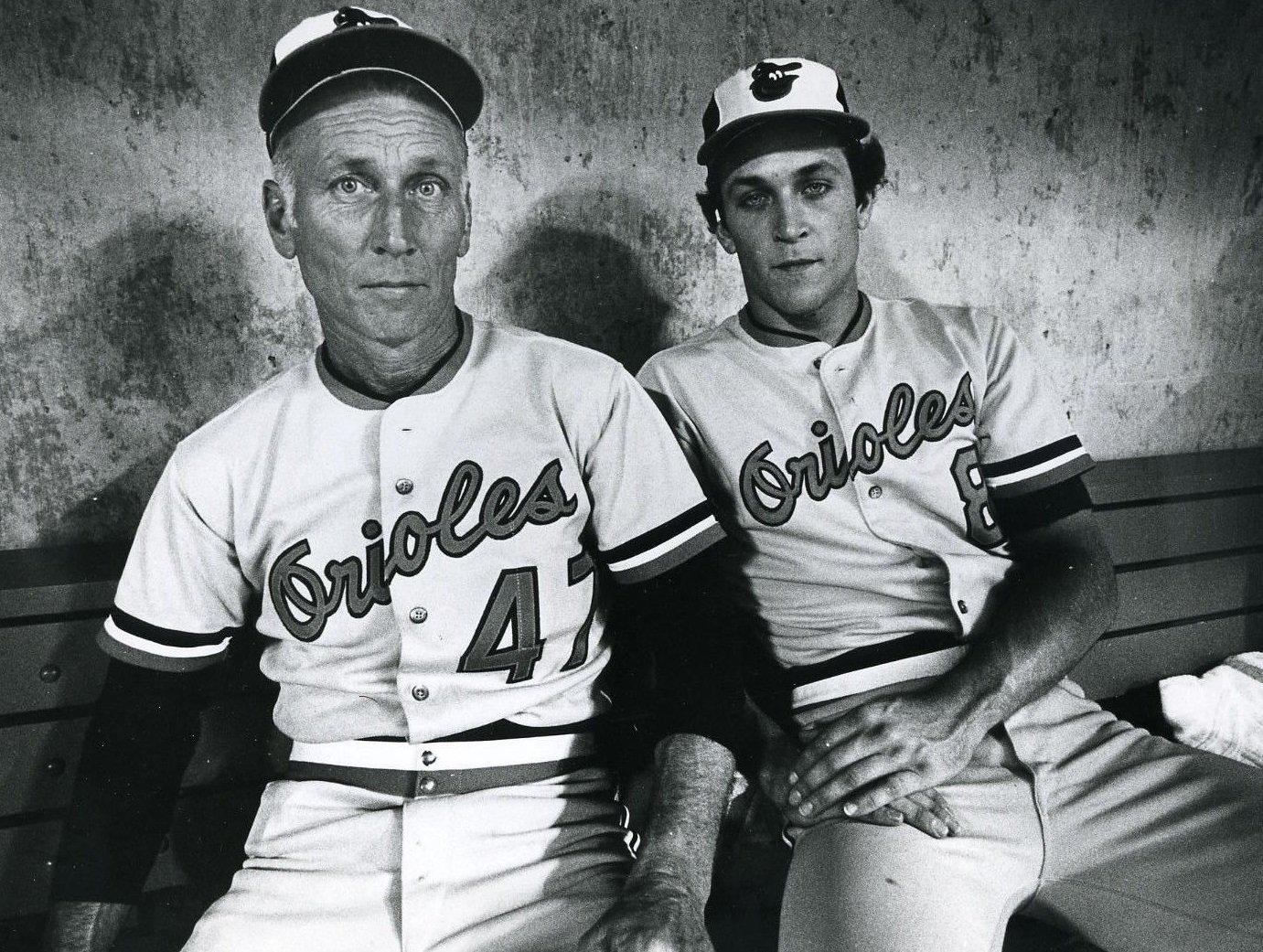
Cal Ripken Jr. alongside his father, Cal Ripken Sr.
From Aberdeen, Maryland to a National Footprint
The Aberdeen IronBirds — a Minor League affiliate of the Baltimore Orioles — sold out every home game for their first ten seasons, a streak fitting for a franchise renamed for Ripken's own. The professional baseball operation subsequently expanded through the acquisition of the Augusta GreenJackets, a Minor League club in Georgia, and the relocation of a Florida State League franchise to Port Charlotte, where the newly created Charlotte Stone Crabs became a Minor League affiliate of MLB's Tampa Bay Rays; both were later sold as the organization's focus shifted more fully toward youth baseball.
The Cal Ripken, Sr. Foundation completed its first major capital project, building Cal Sr.'s Yard — a youth baseball stadium modeled after Oriole Park at Camden Yards, located within the Aberdeen complex. The youth baseball complex itself opened within two years and, by its third year, was welcoming approximately 1,500 teams annually for tournaments between April and October, alongside more than 2,000 summer-camp participants. The operating model was extended to additional destinations in Myrtle Beach, South Carolina, and Pigeon Forge, Tennessee, with thousands of coaches trained through Ripken Way coaching clinics along the way.
A Foundation Built to Reach Millions
The fundraising, development and programming platform built during this period helped position the Cal Ripken, Sr. Foundation for the national growth that followed. It has since reached more than 14 million young people across all 50 states and completed more than 125 Youth Development Parks, providing safe places for underserved young people to play, learn and grow.
Its signature Badges for Baseball program trains law-enforcement officers, teachers and youth mentors to use baseball and softball to build positive relationships with young people. By 2025, the Foundation was working with 1,370 schools, youth organizations and law-enforcement partners in 580 communities, reaching approximately 1.6 million young people during that year alone — figures that track closely with the Foundation's own most recent public reporting.
A Record Vote for a Career Defined by Showing Up
Hall of Fame voting isn't decided on statistics alone — the Baseball Writers' Association of America's own criteria explicitly weigh integrity, sportsmanship and character alongside the numbers. The same reliability that defined The Streak — 2,632 consecutive games, built one unremarkable decision at a time to simply show up — carried directly into how Cal approached retirement. Rather than trading on his name for a few years of endorsements, he spent nearly a decade building an organization, a Foundation and a youth-baseball infrastructure designed to outlast him.
Cal was inducted into the National Baseball Hall of Fame in 2007 after receiving 537 of 545 votes — 98.53 percent of the ballot, and at the time the highest voting percentage ever achieved by a position player. His induction alongside Tony Gwynn drew an estimated 82,000 fans to Cooperstown, the largest crowd in the history of the Hall of Fame Induction Ceremony.
Key Takeaways
A management team built for a player isn't built for an enterprise. The skills that support a professional athlete — scheduling, endorsements, appearances — are a different discipline entirely from building an organization, and retirement is exactly when that gap becomes visible.
The most valuable IP is often the philosophy, not the person. "The Ripken Way" outlived Cal's playing career and became the foundation for camps, coaching programs, media partnerships and multiple physical locations — a family's approach to the game, turned into a scalable asset.
Cal Ripken Jr. didn't just retire from baseball — he built an organization, a philanthropic foundation reaching millions of young people annually, and a national footprint of youth baseball destinations, all from a management structure that started with fewer than 20 employees. The infrastructure built after the playing career ended is, in many ways, the more lasting achievement.